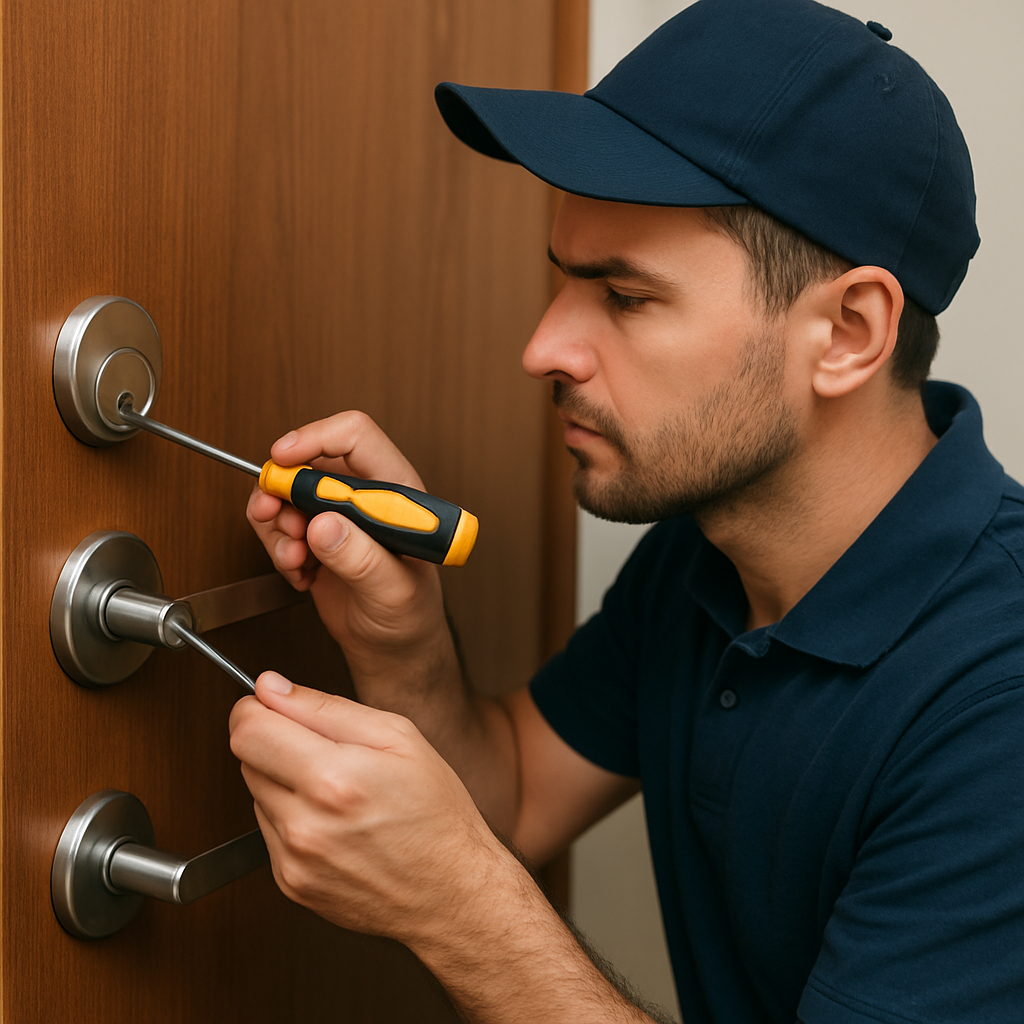
Tools for Non Destructive Entry by Emergency Locksmith Orlando
Many people picture a single wrench and a few keys when they think of locksmiths, but the reality is much more technical. This article draws on field experience from emergency calls, lockouts, and routine rekey jobs in the Orlando area. In the second sentence there is a practical resource for local service if you need it: I often recommend mobile locksmith Orlando support when a situation requires a licensed pro. This overview explains the primary tools, why they matter, and when to call a pro.
Every locksmith’s basic hand tools
Most locksmith jobs still start with a handful of hand https://s3.us-east-1.amazonaws.com/locksmith-fl/car-keys/accessible-entry-locksmith-emergency-locksmith-24-hours-central-orlando.html tools that look familiar but are tuned for precision. Screwdrivers in Phillips, flat, and tamper-resistant heads are a must and I carry both stubby and long versions. Pliers give the control to pull broken keys, bend thin metal, or hold an object steady while you work.
How picks and tension tools are used for non-destructive entry
Professional pick sets vary, but they all share two goals: speed and minimal damage. For an experienced technician, certain picks and a practiced wrist can open a home deadbolt in a minute or two in favorable conditions. Choosing the right tool is as much about feel as it is about form; different cylinders and keyways respond differently.
Key machines and the rekeying workflow
Key cutting machines are a staple of mobile and shop-based locksmithing because rekeys and duplicates are common requests. For high-security keys with side cuts or dimple patterns, electronic cutting or OEM blanks are usually necessary. Replacing pins and springs inside a cylinder is quicker and cheaper than swapping the entire lock body when the hardware is in good shape.
Power tools in the locksmith’s kit
There are times when non-destructive methods fail and power tools become the right, pragmatic choice. Drills are used to remove cylinders, drill out broken locks, or create access to a failing mechanism. Angle grinders and reciprocating saws are used for heavy-duty tasks like cutting off jammed deadbolts or breached latch plates.
Automotive tools and lockout techniques
The fundamentals still include mechanical tools, but electronics and programming gear are often required. For older cars a slim jim or a long-reach tool combined with careful tensioning can open a door without damage. When a key has an electronic transponder I carry key programmers and blank transponder keys to make replacements on-site.
What happens when a key snaps
I keep several broken-key extractors, micro-picks, and small vise grips for pulling fragments from keyways. If the key is flush with the face of the cylinder I often use a compact scope or flashlight to see the fracture before engaging an extractor. Taking the cylinder to the van or shop is a controlled approach when the key is wedged or the mechanism is compromised.

Commercial locks, panic devices, and access control tools
Working on a panic bar, electric strike, or an access-control latch requires specific tools and a grasp of building codes. I carry gauges for measuring backset and faceplate dimensions, plus shim sets for aligning larger cylinders and mortise locks. For electrified hardware I bring test meters, insulated screwdrivers, and replacement solenoid parts when possible.
Choosing between repair and replacement
Deciding whether to repair or replace a lock is a frequent judgment call that balances cost, security, and longevity. For historic homes I try to preserve original hardware where owners want authenticity, even if restoration costs more. An honest estimate about future maintenance helps clients choose a path that avoids repeated service calls.
Why locksmiths carry IDs and follow laws
I always verify ownership before working on locks, because opening a lock for the wrong person has legal consequences. Continued education helps me keep up with new hardware and avoid unnecessary destruction of property. When I cannot proceed I usually suggest legal alternatives or refer the caller to local authorities.
What to expect when you call a pro and how to prepare
If you can confirm ownership and describe the lock model or the vehicle make, I can bring the right kit and avoid extra trips. A photo often tells me if the key is transponder-equipped, whether the cylinder is corroded, or if a keyed deadbolt is installed. Good locksmiths explain what they will do and why, and they lay out options for repair versus replacement.
How to choose a locksmith and the value of credentials
Choosing the right locksmith means balancing price, reputation, and demonstrated skill. A reliable 24 hour locksmith should also explain additional charges for after-hours responses and emergency calls. Photos of past work, descriptions of common services, and transparent pricing build trust.
Maintaining locks to avoid emergencies
Typical upgrades like a reinforced strike and quality deadbolt can cost a few hundred dollars installed, while full access-control systems are a larger investment. Regular maintenance — light lubrication, tightened screws, and occasional rekeying after lost keys — extends the life of hardware and prevents sudden failures. When in doubt, keep a trusted number on the fridge or in your phone and ask the locksmith about service plans or preventative checks.