Don't Do This When You're Locked Out and Need a Locksmith
Locked out moments are rarely convenient, and the wrong next step can turn a five-minute nuisance into a long, expensive headache. If you want a practical short list of what not to do when you need locksmith help, this piece walks through common mistakes and safer alternatives. In the middle of a lockout, it helps to know where trustworthy help is, so consider contacting a local locksmith as a first step rather than guessing what to try next. I wrote the guidance from years on the job fixing avoidable mistakes and helping people recover quickly.
Why rushing into DIY can backfire
Trying to force a lock is one of the fastest ways to make a small problem much worse. When homeowners pry and drill they often bend the door, ruin the strike, or wreck the cylinder so the entire lock needs replacing. A qualified technician can usually tell whether a non-destructive entry is possible in minutes, avoiding unnecessary damage.
Why the first call matters
People sometimes call whoever shows up first, and that can lead to wasted trips and mismatched tools. Ask what methods they use for entry and whether they guarantee non-destructive attempts wherever possible. If you prefer a faster online option, search for 24 hour locksmith that list credentials and service areas up front.
Why you should vet mobile locksmiths
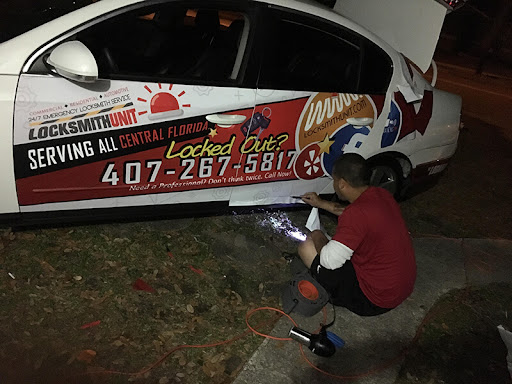
If the technician seems evasive about where they work from or what tools they use, pause and check further. When the technician arrives, ask for a company name, an ID card, and a vehicle with clear markings if possible. If a technician refuses to provide basic paperwork, that is a red flag worth delaying service for.
Avoid paying cash without documentation
I have restored locks where the customer had no receipt and the so-called technician vanished, leaving substandard work behind. If price is a concern, ask whether there are lower-cost entry options and what the trade-offs are. Card payments give you a clear bank record, and many professionals accept contactless payment on-site for convenience.
Mismatched tools and overconfidence
Using improvised picks or household items is unlikely to work and often damages the lock beyond repair. A technician can tell whether the lock can be bypassed safely or needs professional decoding or replacement. If you have a modern cylinder, mention brand names or post a photo when you call so the responder brings the right tools and parts.
Cheap fixes before an emergency call
A few minutes of inspection may avoid an expensive service call or help you describe the issue more precisely. If a keypad lock shows a dead battery, replacing it is far cheaper than a full service call. If you live in a building with a superintendent or maintenance staff, call them before you book external help, because they may have master keys or tools on hand.
Keep details private when you seek help
Announcing your exact location loudly or posting it to a public channel while you wait can invite scams or opportunists. Ask for references and verify identities before arranging a visit through any online group. Avoid announcing on social media that your home is unattended.
Negotiating scope of work
Not all estimates are apples to apples, and understanding what is included saves surprises later. If you see vague phrases like repair or service without details, ask for clarity. Multiple quotes help you spot unusually high or low offers and choose a reputable middle ground.
How to read ratings and testimonials
Look for patterns rather than single endorsements. Concrete points like "arrived in 20 minutes" or "rekeyed three locks without damage" are useful indicators. Avoid services that hide behind mobile-only numbers with no company presence.
The sequence of a typical service call
A trained locksmith prioritizes methods that preserve the lock and the door frame whenever possible. Good technicians communicate options and thresholds for escalation so you know when replacement becomes necessary. If a lock requires drilling, a reputable locksmith will explain why, replace the cylinder with a matching unit, and provide a parts-only invoice when possible.
When speed undermines safety
A fast fix that uses cheap hardware or bypasses security features can leave you vulnerable later. When budget is a concern, prioritize the lock on the main entrance and negotiate a phased plan if you need to delay upgrades for other doors. When in doubt, document communications with the landlord and get written approval for alterations.
Protecting yourself from bait-and-switch tactics
That is why a written estimate and visible credentials matter. Ask for a company card, a printed estimate, and a description of what is being repaired or replaced. You can also request a photo of the worker's ID before they arrive and verify it against the company's website or phoneline; legitimate services do not object to identity checks.
Key extraction pitfalls
I have opened locks where the owner’s repeated attempts made the repair significantly more complex. Avoid DIY remedies like glue or superglue unless you accept the risk of a ruined keyway. A small investment now avoids repeated lockouts from the same cause.
Why rekeying can be smarter than replacing
If the lock hardware is in good condition and only the key control is a concern, rekeying changes which keys operate the lock without swapping the hardware. Ask whether the locksmith can rekey to a new keyway or to match existing keys for other doors so you can reduce the number of keys you carry. When you move into a new home or after a tenant turnover, rekeying is a sensible security step that avoids the expense of full replacements across multiple doors.
Why paperwork matters
I recommend keeping a file with invoices and part numbers for all lock work, because it simplifies future maintenance and warranty claims. Good record-keeping prevents repeat misunderstandings about what was done. A documented upgrade path also enhances home value and buyer confidence.
Why locksmiths matter beyond emergencies
A professional locksmith does more than open doors; they audit risks, recommend better hardware, and can integrate electronic access smoothly. Electronic locks and smart integrations can also be set up with backups to avoid simple lockouts. Good hardware installed well pays for itself in reliability and fewer service calls over the years.
Final behavior tips during an immediate lockout
People who stay composed get faster, clearer responses and avoid unnecessary escalation during the visit. A helper on site who can open a gate or point out spare doors makes the process smoother. A punctual technician usually reflects a reliable business process, and tracking time helps if a dispute arises.
Scheduling checks to avoid emergencies
A small maintenance call can avoid an emergency late-night service fee. Preventive visits catch wear before it causes a failure and let you plan upgrades on your schedule. Routine care for rental or multi-door properties saves money and tenant headaches.
When to upgrade to a higher security solution
Upgrades protect value and provide peace of 24 hour emergency locksmith mind. A credible locksmith will explain relevant standards and recommend solutions that match the actual risk, not the fanciest product. A hybrid approach often delivers the best balance of convenience and reliability.
Building a trusted relationship
A good provider makes maintenance easy and predictable. Technicians who know your doors and hardware work faster and make fewer mistakes on repeat visits. If you ever have a concern after service, contact the company first and give them a chance to correct it; most reputable locksmiths stand behind their work and will address problems promptly.
Next steps to take after reading this
When you need a quick, reliable option, start with a verified local provider and check credentials before they arrive. This reduces confusion under pressure. A little planning and the right contact list protect you from the worst outcomes of a lockout.
Locksmith in Orlando, Florida: If you’re looking for a reliable locksmith in Orlando, FL, our company is here to help with certified and trustworthy locksmith services designed to fit your needs.
Locksmith Orlando | Locksmith Unit
- Address: 3725 Conroy Rd, Orlando, FL 32839, United States
- Phone: +1 407-267-5817
- Hours: Open 24 hours
- Website: locksmithunit.com
- Contact Us: Contact Locksmith Unit Orlando, FL
- About Us: About Locksmith Unit Orlando, FL
Connect with us
- Google Business Profile: Locksmith Orlando | Locksmith Unit on Google Maps
- Facebook: Locksmith Orlando | Locksmith Unit on Facebook
- Instagram: Locksmith Orlando | Locksmith Unit on Instagram
- YouTube: Locksmith Orlando | Locksmith Unit on YouTube
- TikTok: Locksmith Orlando | Locksmith Unit on TikTok
- X (Twitter): Locksmith Orlando | Locksmith Unit on X (Twitter)
- LinkedIn: Locksmith Orlando | Locksmith Unit on LinkedIn
- Pinterest: Locksmith Orlando | Locksmith Unit on Pinterest
- Threads: Locksmith Orlando | Locksmith Unit on Threads
- Blogger: Locksmith Orlando | Locksmith Unit on Blogger
- Tumblr: Locksmith Orlando | Locksmith Unit on Tumblr
- Bluesky: Locksmith Orlando | Locksmith Unit on Bluesky
- Band: Locksmith Orlando | Locksmith Unit on Band
- VK: Locksmith Orlando | Locksmith Unit on VK
- Yelp: Locksmith Orlando | Locksmith Unit on Yelp
Worldwide Brand Profiles
- Medium: Locksmith Unit on Medium
- Instapaper: Locksmith Unit on Instapaper
- Diigo: Locksmith Unit on Diigo