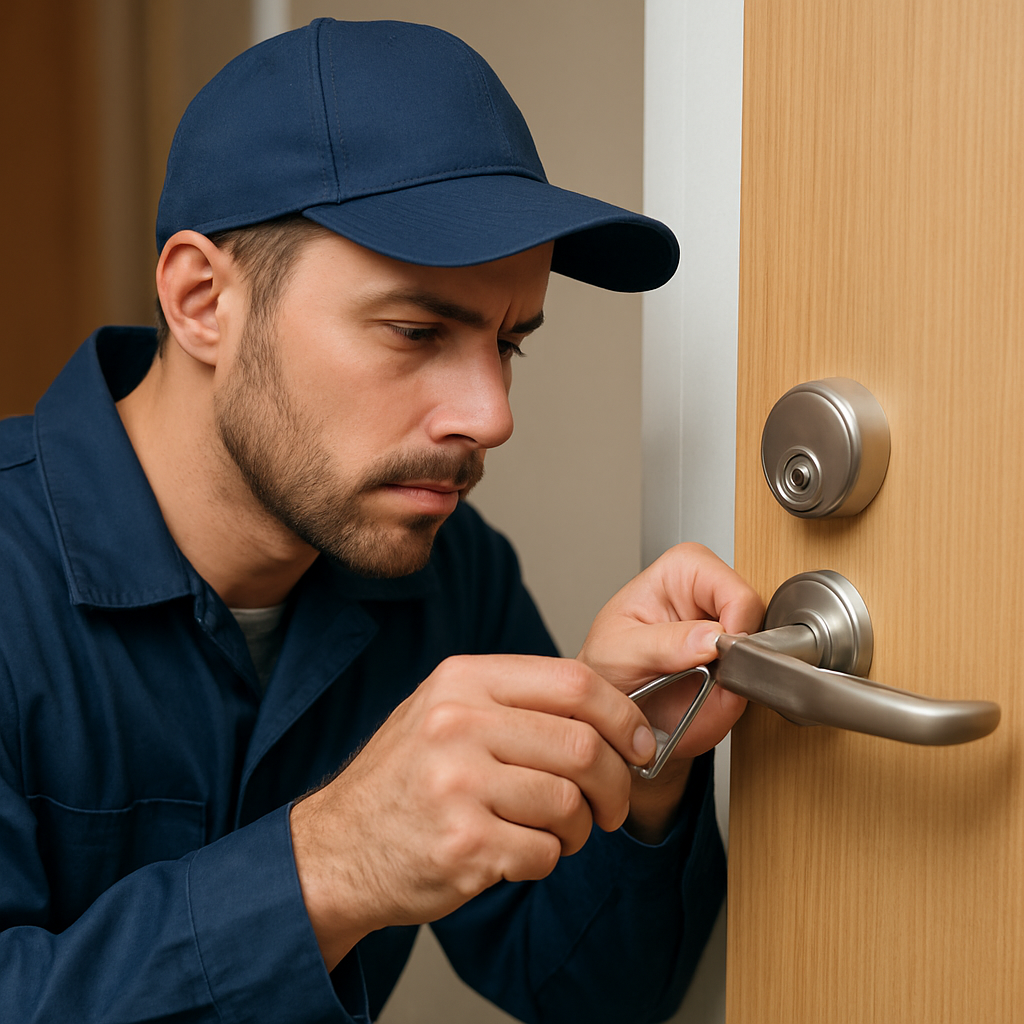
Minimize Costs When Getting Back into Your Car or Home with a Locksmith
Getting back into your car or home should be quick and painless, and having a plan for working with a locksmith helps avoid extra fees and broken hardware. Start by staying calm, by assessing whether a spare key, an unlocked window, or a nearby friend can solve the problem, and by avoiding desperate attempts that might break the lock. I called a local technician once after a rental car door jammed, and the simple switch to a non-damaging tool saved us both time and money, which is why I recommend contacting a reliable service like 24 hour locksmith early in the process rather than trying risky DIY fixes.
Why damage happens when people try to fix locks themselves
Improvised opening attempts usually harm internal components, and a bent tailpiece or cracked cylinder often follows a hurried DIY job. A damaged lock often looks fine from the outside while the internal tumblers and cam are ruined, which later causes sticky operation, keys that won’t turn, or failure to lock correctly. If a locksmith has to replace the cylinder or entire lock after a failed DIY attempt, the final bill often exceeds what a professional call would have cost originally.
Checklist for selecting a quality locksmith
A licensed, insured company with local reviews and visible service policies reduces the chance of surprise fees and shoddy work. When you call, ask if they perform non-destructive entry and whether they charge an emergency or after-hours premium, so you can judge the total cost beforehand. If you can, request proof of identity and a company vehicle or uniform on arrival, because legitimate locksmiths usually arrive marked and ready, while rogue providers avoid identification.
Scripts that help you avoid misquotes
Report any visible damage, whether the key is present in the cylinder, and whether the lock has previously been problematic, since that context changes the approach. Request a breakdown: callout fee, hourly rate, and parts cost, and whether there is an after-hours surcharge, because a clear quote prevents later disputes. Mention any security system or electronic locks on the property, because technicians may need additional tools or approval to avoid tripping alarms.
Safe immediate steps you can take while waiting for help
Stay visible and safe, and avoid trying to pry or force the lock while you wait for a locksmith, because haste is often the cause of broken hardware. Avoid pushing items into keyways, hammering, or using expanding chemical sprays, because those choices complicate the locksmith’s job and increase repair costs. Note down the name on the company vehicle or apron when the locksmith arrives, and keep receipts, because documentation supports any follow-up questions about the job.
What non-destructive entry actually looks like
A skilled locksmith will select tension, pick, and bypass methods that move pins or latches without breaking the plug or tailpiece, which keeps the cylinder intact. Home locks often require gentle picking or cylinder removal with retention pins removed, and a pro knows when to use an extractor instead of grinding the lock away. If a locksmith explains that the internal parts are worn beyond safe use, accept the professional judgment and get a clear estimate on a compatible replacement.
How much you should expect to pay and why
Labor varies by complexity: a simple non-destructive opening might be modest, while extracting a broken key or rekeying a high-security cylinder takes longer and costs more. Get an itemized receipt that shows callout, labor, and parts, because it helps if you need a warranty claim or want to compare quotes later. If someone pressures you to pay a high upfront cash amount without explanation or documentation, treat that as a red flag and consider declining the work until terms are clear.
Smart upgrades that protect you from future lockouts
Consider a moderately priced high-security cylinder if your property is high-risk, but weigh that against the cost and your actual security needs. If you rent, consult your landlord before replacing hardware, because you may be responsible for approved brands or rekeying rather than replacement. When a technician recommends a specific part, ask for the brand and model and check reviews if time allows, since mid-range parts often outlive the cheapest options without the premium of top-tier hardware.
How to avoid future lockouts with small, low-cost habits
A mechanical key safe or a locked box with a combination can be a smart solution if you dislike leaving keys under mats or plant pots, because those spots are obvious to intruders. Labeling your keys with a non-identifying tag helps a locksmith if you lose them and someone returns them, and it prevents attempts to pick the wrong cylinder when in a hurry. Teach children not to hide keys in obvious places and to call a parent or neighbor before attempting anything risky to get back inside.
Handling disputes and warranty claims professionally
Ask the technician to explain what they did and to show you any damaged parts, because most professionals will discuss the work and offer a warranty or licensed locksmith near me a fix if an unexpected issue appears. For small businesses, a clear, calm conversation often resolves misunderstandings, and most reputable locksmiths prefer to make things right rather than risk a negative review or complaint. Avoid dismissing disputes over the phone; insist on documentation, because written records are necessary to show patterns or to prove that an improper technique caused later failure.
Quick actions that reduce risk in the moment
If repairs are completed, test the lock several times in your presence to ensure smooth operation, and ask for any care advice specific to the hardware installed. Most importantly, resist DIY force and call a pro early, because avoiding damage saves money, time, and the headache of unexpected replacements.
Your best defense against repair costs is a calm plan: clear communications with the locksmith, sensible questions about price and process, and restraint from DIY violence.
Locksmith in Orlando, Florida: If you’re looking for a reliable locksmith in Orlando, FL, our company is here to help with certified and trustworthy locksmith services designed to fit your needs.
Locksmith Orlando | Locksmith Unit
- Address: 3725 Conroy Rd, Orlando, FL 32839, United States
- Phone: +1 407-267-5817
- Hours: Open 24 hours
- Website: locksmithunit.com
- Contact Us: Contact Locksmith Unit Orlando, FL
- About Us: About Locksmith Unit Orlando, FL
Connect with us
- Google Business Profile: Locksmith Orlando | Locksmith Unit on Google Maps
- Facebook: Locksmith Orlando | Locksmith Unit on Facebook
- Instagram: Locksmith Orlando | Locksmith Unit on Instagram
- YouTube: Locksmith Orlando | Locksmith Unit on YouTube
- TikTok: Locksmith Orlando | Locksmith Unit on TikTok
- X (Twitter): Locksmith Orlando | Locksmith Unit on X (Twitter)
- LinkedIn: Locksmith Orlando | Locksmith Unit on LinkedIn
- Pinterest: Locksmith Orlando | Locksmith Unit on Pinterest
- Threads: Locksmith Orlando | Locksmith Unit on Threads
- Blogger: Locksmith Orlando | Locksmith Unit on Blogger
- Tumblr: Locksmith Orlando | Locksmith Unit on Tumblr
- Bluesky: Locksmith Orlando | Locksmith Unit on Bluesky
- Band: Locksmith Orlando | Locksmith Unit on Band
- VK: Locksmith Orlando | Locksmith Unit on VK
- Yelp: Locksmith Orlando | Locksmith Unit on Yelp
Worldwide Brand Profiles
- Medium: Locksmith Unit on Medium
- Instapaper: Locksmith Unit on Instapaper
- Diigo: Locksmith Unit on Diigo