Orlando Locksmith Response During a Car or Home Lockout
When a locksmith is on the way, a few simple steps cut stress and speed up the fix. Keep your phone charged, have your ID ready, and move to a safe, well-lit spot while you wait for help. Below I describe the typical arrival sequence, the questions you should ask, and the common tools and techniques used so you are prepared when a locksmith arrives.
Why the way a locksmith arrives affects the whole job.
The initial interaction with a locksmith often sets the tone for the entire service call. A trained locksmith tends to size up the situation from a short distance, check entry points visually, and ask quick clarifying questions before starting work. If the locksmith seems rushed or evasive about tools and costs, consider pausing and verifying credentials before proceeding.
Why proof and ID matter and which documents make a locksmith comfortable.
Most pros will ask for a photo ID and at least one supporting item to confirm authority to access the property or vehicle. For a home call, show a driver’s license and a utility bill or lease with your name and the address, or ask the landlord to be available by phone if you lack paperwork. Clear, cooperative answers speed the process, and if paperwork is missing the locksmith will explain alternatives like calling a property manager or using secondary verification.
Why the toolset in the technician’s hands matters more than the uniform.
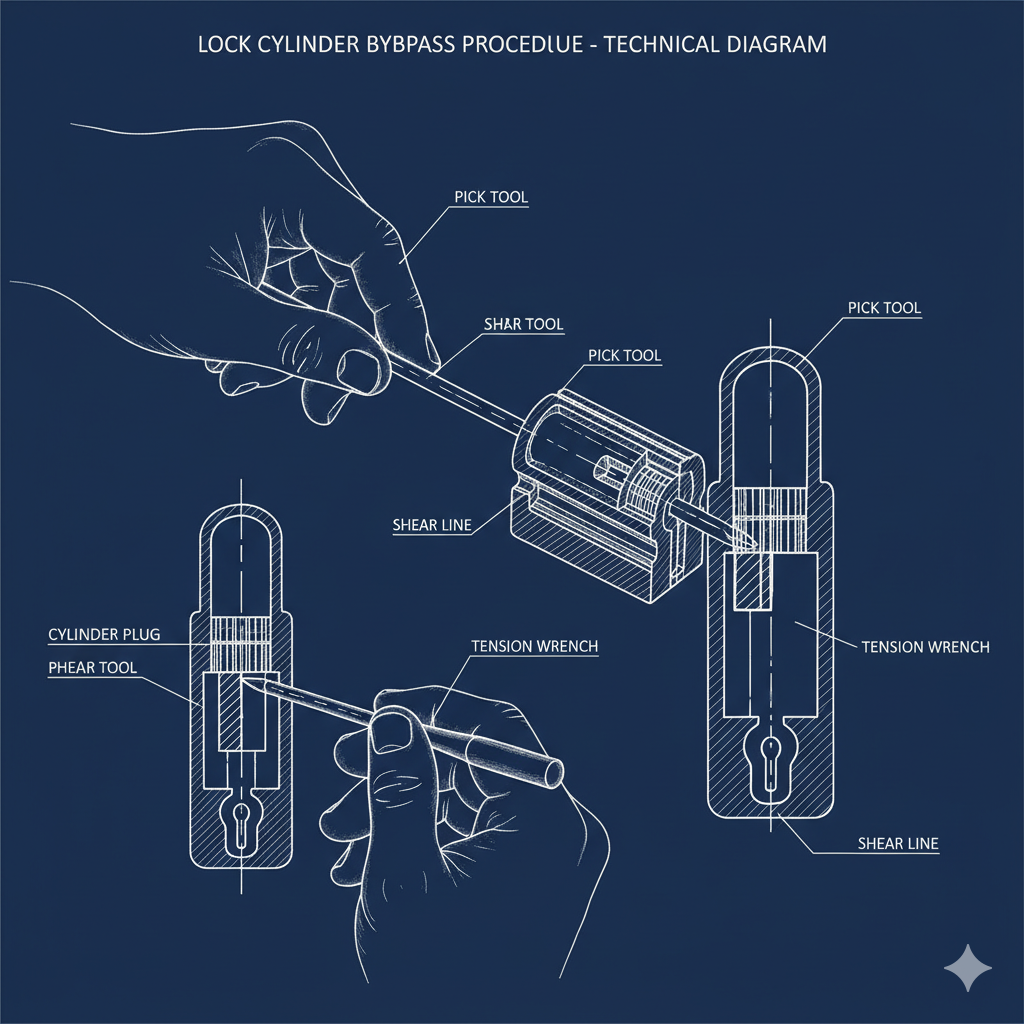
When you watch the technician unload tools, you can usually tell whether the plan is to pick the lock, bypass it, or replace it entirely. You will often see key blanks, rekey kits, and a portable key machine for on-the-spot key cutting, which is common for lost-key situations rather than forced entry. If you prefer a less invasive option, make that preference clear and let the locksmith describe realistic outcomes and costs.
If the technician mentions rekeying or replacing a cylinder, they should explain why. A rekey makes sense if you want to revoke access without changing the visible hardware, and it typically takes 15 to 45 minutes depending on the lock. Also ask whether the new cylinder will work with existing keys if that convenience is important, because sometimes matching requires swapping multiple locks.
Fast ways to check that the locksmith is legitimate and insured.
Most professionals will not hesitate to show their business license and liability insurance information when requested. If the locksmith refuses to provide identification, pause the job and call their office number to confirm the dispatch; if that fails, request another technician or suggest rescheduling. Reputable companies carry general liability and, where relevant, workers compensation, and they will provide policy details if you request them.
Why the initial questions are important and what you should answer.
The technician will ask targeted questions such as whether doors are deadbolted, if there are spare keys, or whether a window is accessible. If you have small children or pets inside, tell them right away so the locksmith can use faster entry methods or call emergency services if needed. Write down the technician’s name, license number, and estimated cost before authorizing work so you have a record if questions arise later.
When a locksmith needs to access a vehicle, they will check the id and ask about immobilizers and aftermarket systems. For vehicles that require key programming, additional time and parts can be expected, and the locksmith should explain whether they can program keys on-site or must order them. When in doubt, ask the technician to describe the least-damaging option first and then list other choices with costs.
What to ask about pricing, estimates, and warranties before the locksmith begins.
Ask for a clear, written estimate for arrival fees, labor, and parts before the locksmith begins, and get any guarantees in writing. If they will cut new keys on site, ask if those keys are covered against defects for a short period and if duplication costs are included. If a locksmith insists on payment before work begins, ask for a clear cancellation policy and a receipt immediately after payment.
How to judge whether non-destructive entry is possible and worth requesting.
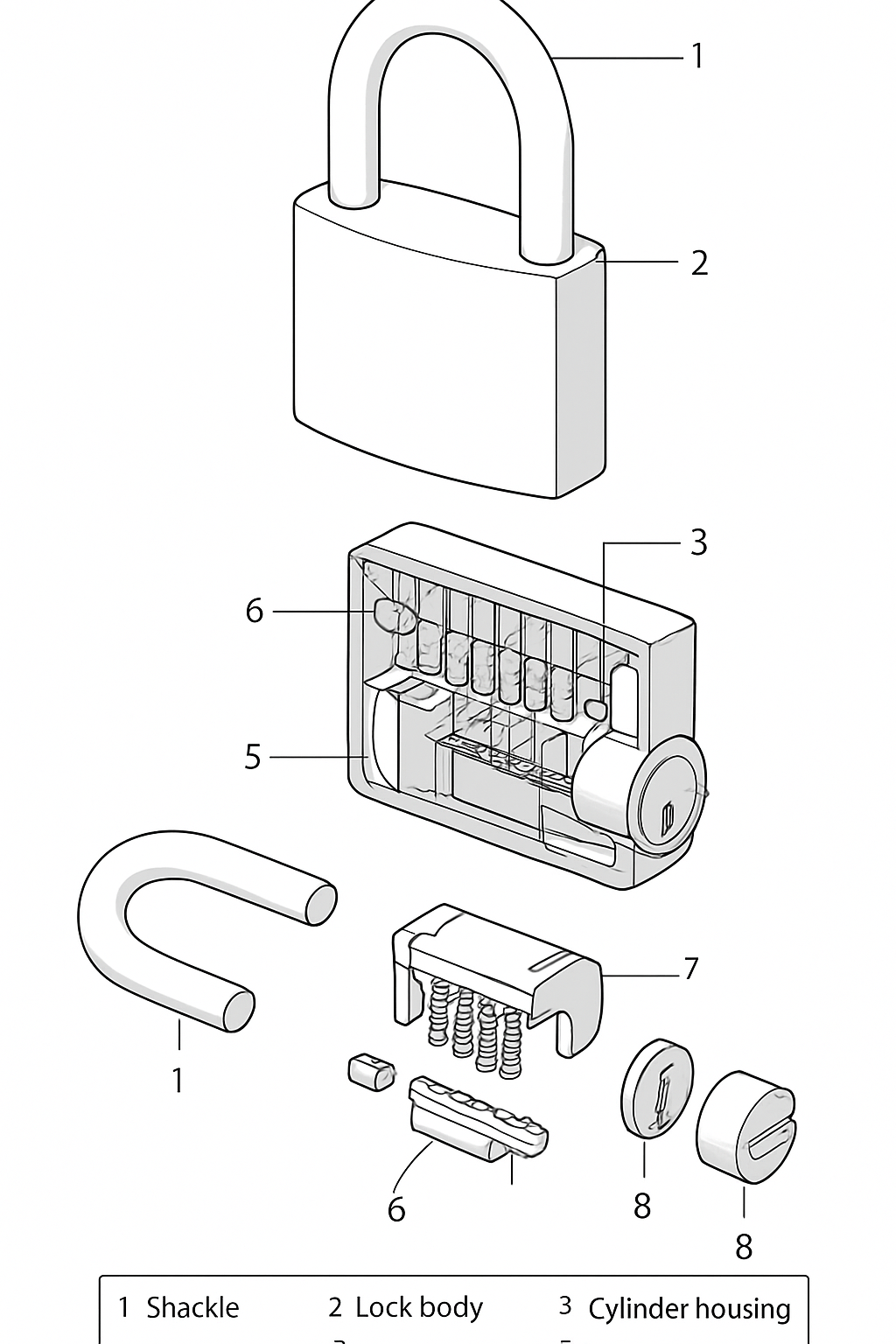
Locks that are seized, broken, or internally damaged typically need a cylinder or full nearby locksmith services lock replacement to restore reliable security. If time and cost are the priority, a replacement cylinder can be quicker in some circumstances because the locksmith does not spend extra minutes attempting picks. If they must drill, ask whether they will use a practice that preserves the door trim and how they will finish the job neatly.
After entry, a good locksmith will walk you through what they did and what they recommend next. If the lock failed due to age rather than a break-in, expect a clear note about lifespan and realistic timelines for replacement of other similar locks. A simple photo of the replaced parts and the invoice can save time if you later seek a second opinion or additional work from another technician.
Small, practical steps to take while you wait for the locksmith.
While you wait, park your phone so you can hear the technician arrive, and if you are in a public place, note the nearest cross street or landmark. Avoid forcing doors or windows yourself, since DIY attempts often increase repair costs when the pro arrives. If you called roadside assistance through an insurer or automaker, have that claim number ready, because some companies require preauthorization for work.
Mobile locksmiths often bring portable key-cutting machines and small workshops to your location. If you expect on-site key cutting or programming, ask whether the technician has the right blanks and transponders for your make and model before they start. Insist on a detailed invoice regardless of where the work occurred so you are protected under warranty and for any potential insurance claims.
Common warning signs of low-quality or fraudulent service.
If a technician gives vague answers about licensing, refuses to put estimates in writing, or declines to issue a receipt, treat that as a red flag. A professional will explain why destructive methods are necessary and will not insist on them without your consent unless there is a safety concern. If the technician refuses to provide a receipt or becomes evasive after payment, contact your payment provider and local consumer protection to report the incident.
After the job, maintenance and small upgrades that extend lock life.
If your door hardware is exposed to salt air or heavy weather, slightly shorter service intervals and stainless components improve longevity. Consider adding a keypad or smart lock for keys-in-the-house situations if you frequently lock yourself out, but pick robust, professionally installed models rather than cheap DIY gadgets. Schedule periodic checks of strike plates, hinges, and door alignment, because many lock problems are really door issues that put strain on the hardware.
Selecting a locksmith in advance is a small time investment that pays off in an emergency.
Look for a local company with a physical address, a consistent phone number, and verifiable customer feedback rather than anonymous listings. Get references from neighbors, building managers, or local community groups, and confirm how the company handles night calls and holiday rates. If you schedule a preventive visit to rekey or upgrade, use that time to judge workmanship and whether you want that company on your speed dial.
Why certain lockouts demand an official presence or documentation.
If the lockout follows a break-in or if there is clear evidence of forced entry, call the police first and document the scene before a locksmith touches anything. In domestic situations that involve potential safety risks, such as threats or domestic disputes, law enforcement presence provides a safer environment for entry. A locksmith will often advise the right course if you explain the circumstances, but if legal questions exist, get the appropriate authority involved first.
If a locksmith replaced parts, keep the paperwork in a safe place and note the model numbers for future matching. If you notice binding, difficulty turning, or unusual noise, contact the company promptly; many workmanship warranties cover minor adjustments soon after installation. Some high-security cylinders require dealer authorization for extra keys, and that condition should be noted in your invoice so you know how to obtain more keys in the future.
Practical steps to preserve coverage after lock-related incidents.
If a forced entry occurred, document damage thoroughly with photos and an itemized invoice so your insurer can process repairs and loss claims accurately. Some warranties require professional installation to remain valid, so make sure the technician notes the serial numbers and installation date on the invoice. For auto locksmith work that impacts immobilizers or key programming, check whether the dealer’s warranty or your auto insurer requires dealer involvement for certain programming tasks.
How to evaluate long-term value versus one-off cost.
If the company delivered clear pricing, clean workmanship, and prompt follow-up, it is reasonable to save them as your primary contact for future lockwork. If you manage multiple properties, negotiate a service agreement with agreed rates and response windows rather than calling ad hoc contractors. A dependable locksmith that shows up on time, honors warranties, and leaves a tidy job is worth a modest premium when emergencies happen at odd hours.
What to do and say in the first five minutes for an efficient call.
If you have specific concerns about damage or privacy, raise them now so the technician can adapt the plan accordingly. When the job finishes, test the lock several times in your presence and request the invoice and any warranty documentation before you pay. A short check of the work and a completed invoice save time and trouble later.
If you want a quick reference, save the company’s number and the technician’s name in your contacts after a good experience. If you manage properties, consider asking for a key control log or master-key documentation so you and your tenants know who has access and why. A little documentation and a reliable contact list make emergency responses faster and less expensive, and they improve safety for everyone involved.
Locksmith in Orlando, Florida: If you’re looking for a reliable locksmith in Orlando, FL, our company is here to help with certified and trustworthy locksmith services designed to fit your needs.
Locksmith Orlando | Locksmith Unit
- Address: 3725 Conroy Rd, Orlando, FL 32839, United States
- Phone: +1 407-267-5817
- Hours: Open 24 hours
- Website: locksmithunit.com
- Contact Us: Contact Locksmith Unit Orlando, FL
- About Us: About Locksmith Unit Orlando, FL
Connect with us
- Google Business Profile: Locksmith Orlando | Locksmith Unit on Google Maps
- Facebook: Locksmith Orlando | Locksmith Unit on Facebook
- Instagram: Locksmith Orlando | Locksmith Unit on Instagram
- YouTube: Locksmith Orlando | Locksmith Unit on YouTube
- TikTok: Locksmith Orlando | Locksmith Unit on TikTok
- X (Twitter): Locksmith Orlando | Locksmith Unit on X (Twitter)
- LinkedIn: Locksmith Orlando | Locksmith Unit on LinkedIn
- Pinterest: Locksmith Orlando | Locksmith Unit on Pinterest
- Threads: Locksmith Orlando | Locksmith Unit on Threads
- Blogger: Locksmith Orlando | Locksmith Unit on Blogger
- Tumblr: Locksmith Orlando | Locksmith Unit on Tumblr
- Bluesky: Locksmith Orlando | Locksmith Unit on Bluesky
- Band: Locksmith Orlando | Locksmith Unit on Band
- VK: Locksmith Orlando | Locksmith Unit on VK
- Yelp: Locksmith Orlando | Locksmith Unit on Yelp
Worldwide Brand Profiles
- Medium: Locksmith Unit on Medium
- Instapaper: Locksmith Unit on Instapaper
- Diigo: Locksmith Unit on Diigo