House Lockout Qualified Locksmith Service
Being shut out of your own house can flip a calm afternoon into a cheap lock rekey mini-crisis. I write from years on call, with boots on concrete and a van full of picks and programming tools, and I know how quickly choices made under pressure can cost money or security. If you are Home Lockout Licensed Professional Locksmith that match this page title, this guide will walk you through what to do immediately, how to choose the right pro, and what to change afterward.

First steps when you realize you're locked out
Take a breath and assess the obvious: are any windows open or is there a spare key hidden where you can reach it? I recommend checking places you actually use for spares, not decorative hiding spots, and if you can't find one, call a vetted service like emergency locksmith for a professional response. Calling someone with a key is usually the cheapest fix and avoids broken hardware. When you cannot get a spare quickly, the locksmith will walk you through what they plan to do and give an estimate.
Understanding common entry methods pros use
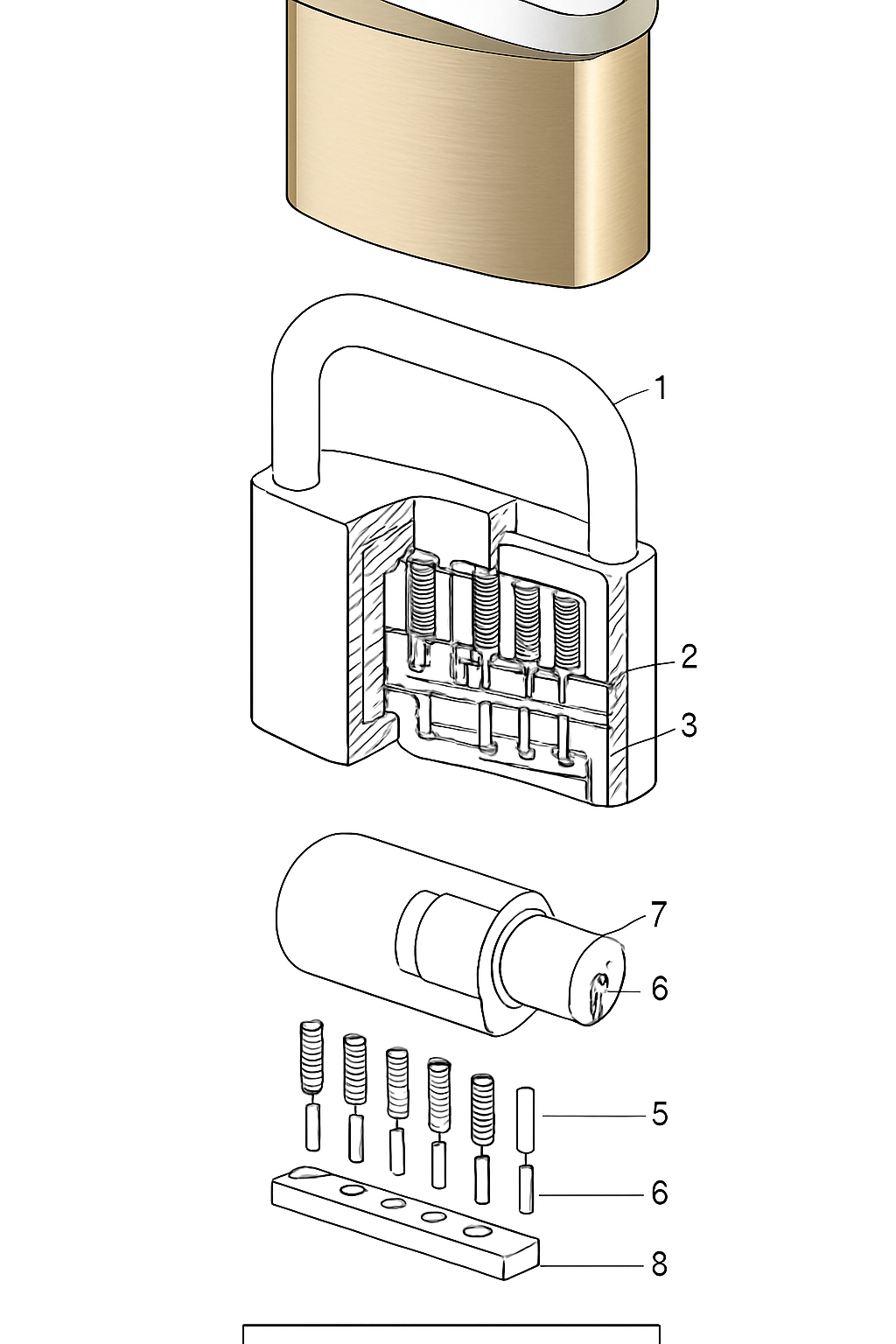
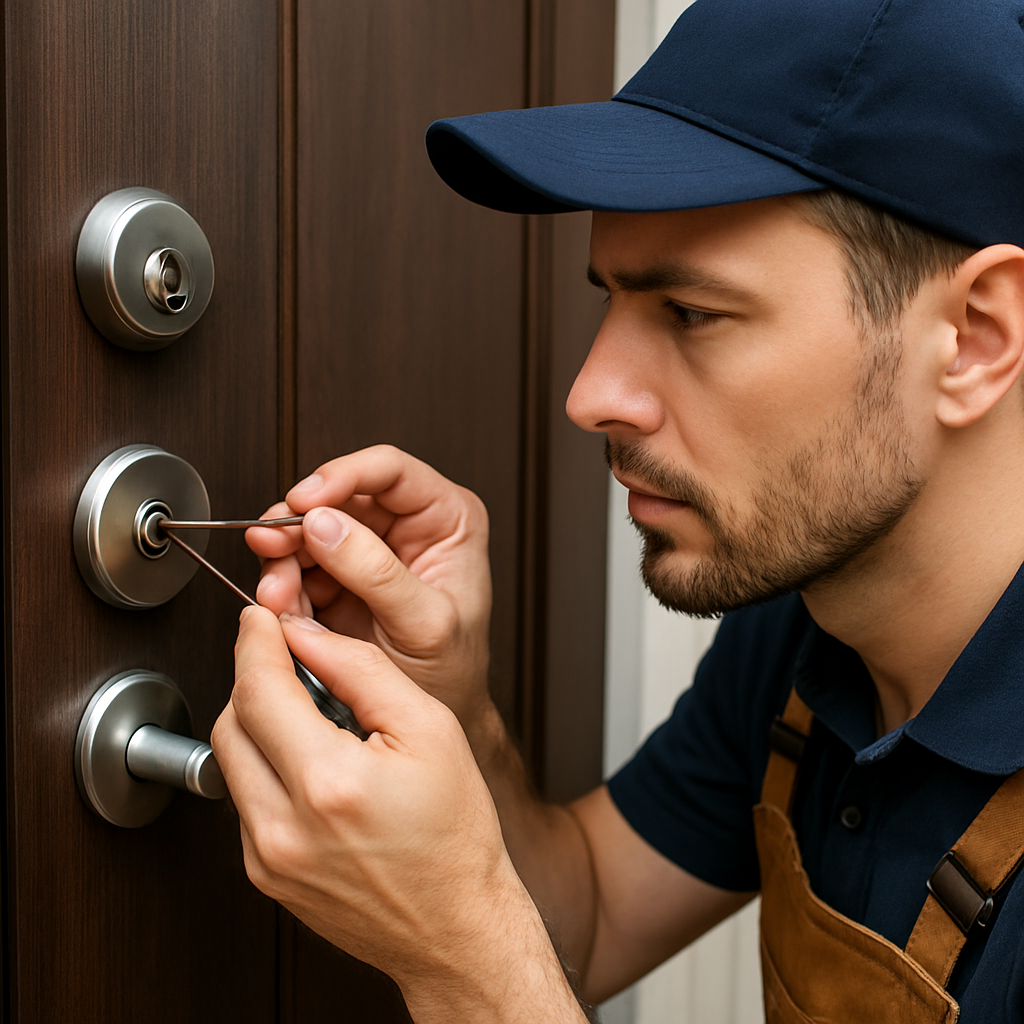
A large share of house entries by professionals use picking or manipulation rather than destructive force. If picking is possible, you will often pay half or less of what destructive entry costs. High-security cylinders or broken keys often force a hardware change and a slightly higher bill. Ask for likely approaches and a price range on the phone so nobody improvises with a drill unless you agree.
Picking the right locksmith quickly
When time is short, cut through the noise by checking credentials and local presence, not the lowest price. Call the number on record and ask whether the technician carries identification and a printed estimate, and confirm the company name matches online listings. Get the expected cost range and arrival time in writing or via text so there is a clear agreement before work begins. If a price sounds absurdly low, it often is; those calls can lead to substitution of cheaper parts or extra fees when the job is done.
The vital questions to ask a locksmith while you're still on the line
Make the call brief but pointed: ask for the company name, license or certification if applicable, vehicle description, and an estimated price range. The technician should be able to confirm the company and provide a clear estimate, and you can check that against other local options like house lockout service if something seems off. Any unwillingness to state credentials or give an ETA should prompt you to end the call and seek another provider. Also ask whether identification and a written invoice will be left after the job, because a legitimate pro will provide both.
Avoiding unnecessary drilling and replacements
Do not consent to drilling or full replacement when a cylinder can be picked or rekeyed unless the tech proves those options are impossible. Drilling should be the last resort and arrive with a clear explanation and an upfront charge. When in doubt, pause and consult one more company; a second quote often prevents unnecessary hardware changes. Destructive entry usually adds parts, labor, and cosmetic repair, which increases the final bill and the hassle.
Typical pricing, hidden fees, and what to negotiate
Typical fees vary, but opening without replacement should be noticeably less expensive than replacing or rekeying locks. Demand a breakdown: arrival/travel, labor, parts, and any surcharges so you know what you're paying for. Car key work and electronic key programming are specialized and should come with clear parts and labor estimates before the tech proceeds. If the bill still looks wrong after the job, ask for an explanation and a written receipt, and if necessary dispute the charge with your payment provider using the invoice as evidence.
Simple changes that reduce the chance of future lockouts
A visible spare key with a trusted neighbor or family member is the lowest-cost insurance against recurring lockouts. If you lock yourself out repeatedly, a keypad or app-controlled smart lock becomes a practical investment. A rekey or internal key safe often fixes the problem without violating rental agreements. Small preventive steps reduce both cost and stress over time, and they often maintain or improve security rather than reduce it.
What to do after you're back inside
Once inside, exercise the lock to ensure smooth operation, and retain paperwork and old parts until you are satisfied with the installation. When a rekey or replacement occurs, update your spare key policy and consider a higher-security core if keys were lost or stolen. If your door was damaged during forced entry prior to the locksmith call, schedule proper carpentry repairs and lock alignment to prevent drafts and further wear. A short assessment can reveal weak points like exposed screws or poor strike plates that are inexpensive to fix and improve safety.
A few real-world anecdotes and what they teach
I once answered a midnight call where the homeowner had climbed through a window and then realized the window's sash locked behind them, creating an odd secondary lockout. The takeaway from odd calls is to ask detailed questions about how you ended up locked out, because the answer changes the remedy and the price. Those billing surprises taught me to always ask for written estimates or at least a clear text confirmation before work begins.
What to do if the locksmith refuses service or can't gain entry
When access involves landlord, HOA, or law enforcement restrictions, escalate to the appropriate authority instead of hiring an independent locksmith. A medical or safety emergency inside the home should prompt a 911 call and then a locksmith or emergency house lockout building authority as directed by responders. Some homeowner and roadside plans include locksmith coverage; check policy terms and provider lists before approving expensive work.
Locked-out nights shrink when you apply practical habits and pick the right help. Having a trusted professional's contact and a spare key rule in place removes most of the stress from a lockout. A local consultation helps you prioritize upgrades and gives you concrete numbers for budgeting.
Locksmith in Orlando, Florida: If you’re looking for a reliable locksmith in Orlando, FL, our company is here to help with certified and trustworthy locksmith services designed to fit your needs.
Locksmith Orlando | Locksmith Unit
- Address: 3725 Conroy Rd, Orlando, FL 32839, United States
- Phone: +1 407-267-5817
- Hours: Open 24 hours
- Website: locksmithunit.com
- Contact Us: Contact Locksmith Unit Orlando, FL
- About Us: About Locksmith Unit Orlando, FL
Connect with us
- Google Business Profile: Locksmith Orlando | Locksmith Unit on Google Maps
- Facebook: Locksmith Orlando | Locksmith Unit on Facebook
- Instagram: Locksmith Orlando | Locksmith Unit on Instagram
- YouTube: Locksmith Orlando | Locksmith Unit on YouTube
- TikTok: Locksmith Orlando | Locksmith Unit on TikTok
- X (Twitter): Locksmith Orlando | Locksmith Unit on X (Twitter)
- LinkedIn: Locksmith Orlando | Locksmith Unit on LinkedIn
- Pinterest: Locksmith Orlando | Locksmith Unit on Pinterest
- Threads: Locksmith Orlando | Locksmith Unit on Threads
- Blogger: Locksmith Orlando | Locksmith Unit on Blogger
- Tumblr: Locksmith Orlando | Locksmith Unit on Tumblr
- Bluesky: Locksmith Orlando | Locksmith Unit on Bluesky
- Band: Locksmith Orlando | Locksmith Unit on Band
- VK: Locksmith Orlando | Locksmith Unit on VK
- Yelp: Locksmith Orlando | Locksmith Unit on Yelp
Worldwide Brand Profiles
- Medium: Locksmith Unit on Medium
- Instapaper: Locksmith Unit on Instapaper
- Diigo: Locksmith Unit on Diigo