Living with sweaty hands and feet can make even simple activities feel impossible. From avoiding handshakes to struggling with slippery phone screens, excessive sweating affects millions of people daily. An iontophoresis machine offers a proven, at-home solution that has helped patients reclaim their confidence since the mid-20th century.
This guide covers everything you need to know about how iontophoresis works, what results to expect, and how to choose the right device for your needs.
Quick Answer: What an iontophoresis machine does
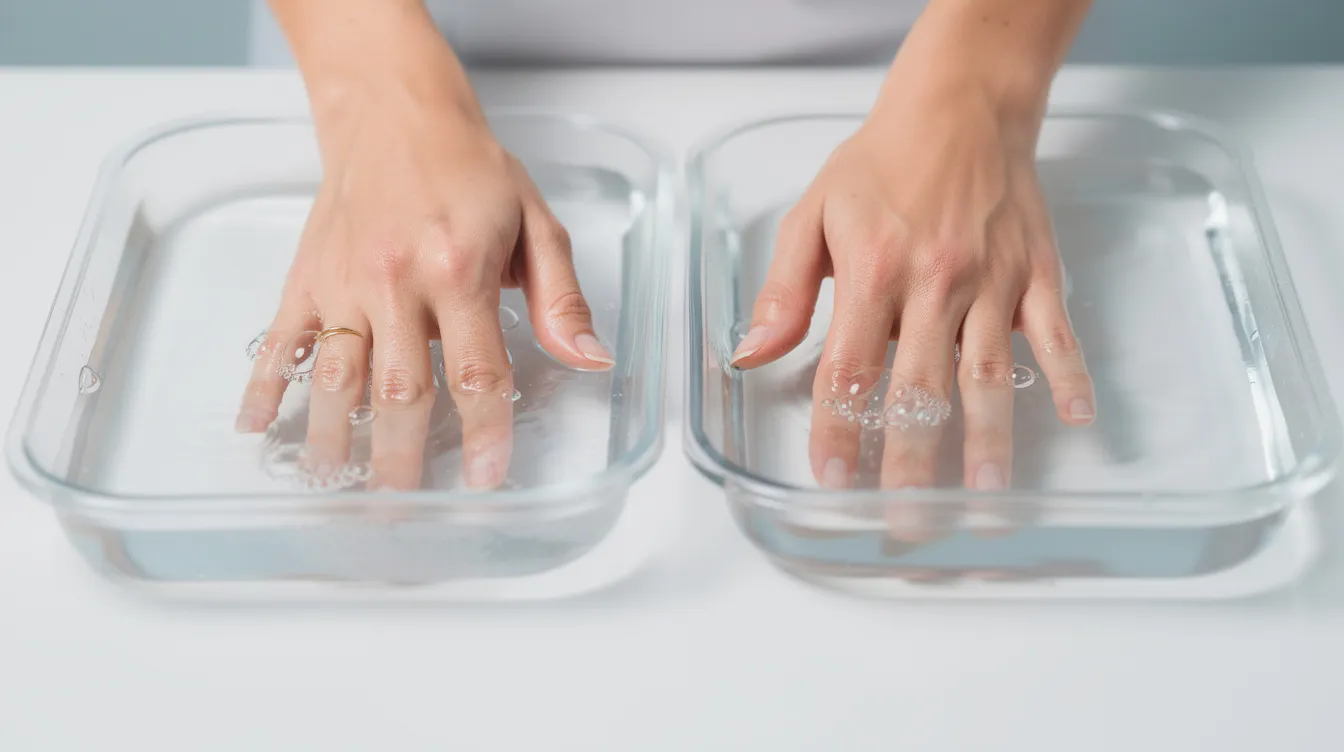
An iontophoresis machine delivers a mild electrical current through plain tap water to temporarily inhibit sweat glands in the hands, feet, and underarms. The process is straightforward: you place your hands or feet in shallow plastic trays filled with ordinary tap water while the device applies a low-voltage current for about 15–30 minutes per session.
The treatment produces temporary results, not permanent ones. Sweat reduction typically lasts from several days to six weeks, depending on your body and the severity of your condition. To maintain dryness, most users need regular maintenance sessions—often once weekly after the initial treatment phase.
What makes iontophoresis appealing to many patients:
-
Non-invasive with no needles or incisions
-
Drug-free when using standard tap water iontophoresis
-
Can be performed at home once you obtain a device
-
Supported by clinical studies dating back to the 1940s and 1950s
In regions like the United States, these iontophoresis devices require a prescription, so you’ll need to work with a doctor to obtain one.
What is hyperhidrosis and who is an iontophoresis machine for?
Hyperhidrosis is a medical condition characterized by excessive sweating that goes far beyond what the body needs for temperature regulation. It often begins in childhood or adolescence and can significantly disrupt daily activities.
The numbers are substantial: primary hyperhidrosis affects roughly 3–5% of the population. In the United States alone, that translates to approximately 15 million people dealing with this condition.
The most common types include:
| Type | Area Affected | Iontophoresis Effectiveness |
|---|---|---|
| Palmar hyperhidrosis | Hands | Highly effective |
| Plantar hyperhidrosis | Feet | Highly effective |
| Axillary hyperhidrosis | Underarms | Moderately effective |
Ideal candidates for an iontophoresis machine include people whose sweating interferes with work, school, sports, or social life—particularly those who haven’t found relief from clinical-strength antiperspirants containing aluminum chloride.
Dermatologists and the International Hyperhidrosis Society often recommend iontophoresis as a treatment option before escalating to Botox injections, miraDry microwave thermolysis, or surgical procedures like sympathectomy for localized palmar and plantar cases.
How an iontophoresis machine works (in plain English)
The device sends a controlled, low-level electrical current (either continuous DC or pulsed current) through tap water, which acts as a conductor. This allows ions to penetrate the skin’s outer layer, called the stratum corneum.
Current levels typically range up to about 20–25 mA, adjusted based on comfort and the body area being treated. You control the intensity, starting low and increasing gradually until you feel a mild tingling sensation.
The treatment’s main effects include:
-
Temporarily blocking or narrowing sweat ducts
-
Disrupting the nerve signals that trigger sweat production
-
Potentially lowering pH in the sweat gland environment through hydrogen ion accumulation
The exact mechanism remains incompletely understood, but that hasn’t stopped the treatment from working. Clinical trials since the 1950s consistently demonstrate significant sweat reduction for the majority of users. When used correctly with a medical-grade device and according to the manual, the current stays well below levels that could cause burns or shocks.
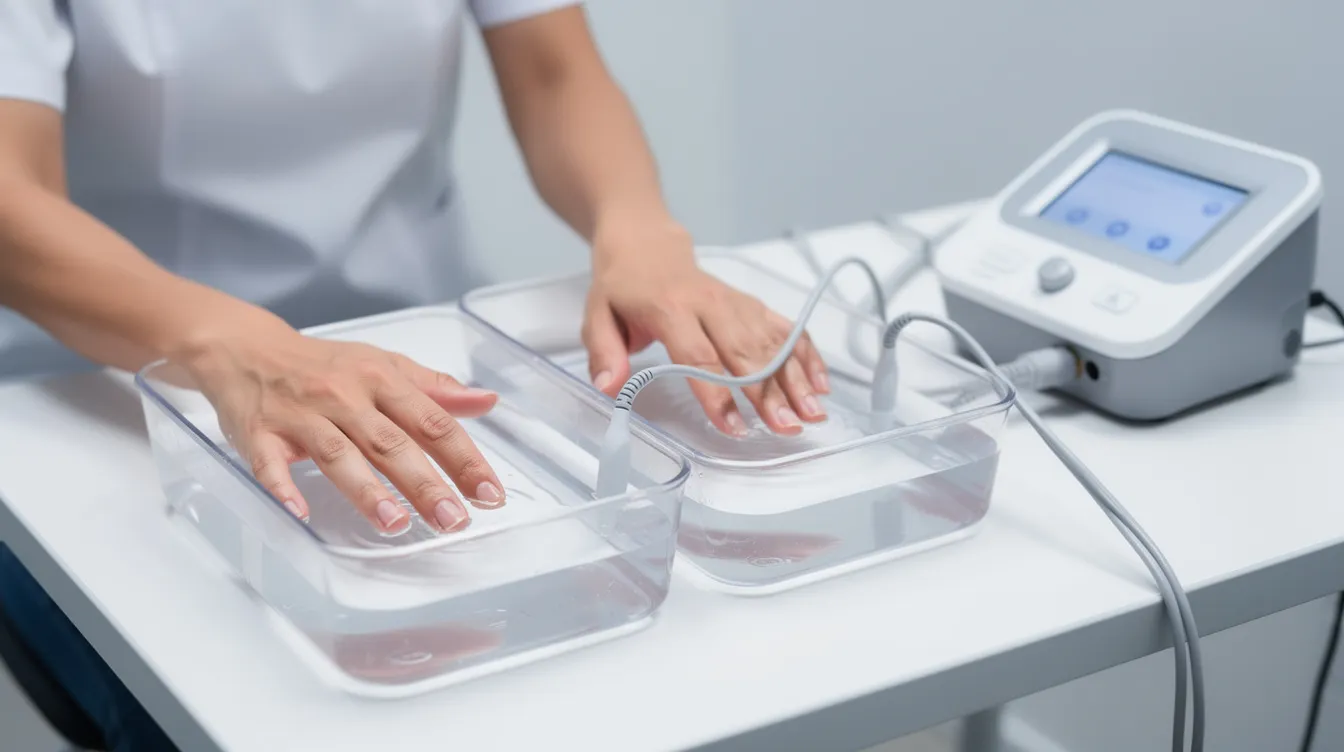
Typical treatment protocol with an iontophoresis machine
Treatment divides into two distinct phases: an initial phase to achieve dryness and a maintenance phase to sustain results.
Initial phase (getting dry):
-
Immerse hands or feet in trays of tap water
-
Session length: 15–30 minutes
-
Frequency: 3–5 times per week
-
Duration: 2–4 weeks until sweating significantly decreases
Underarm protocol: For axillary hyperhidrosis, special sponge or felt pads are soaked with tap water and placed in the underarm area. Treatment times remain similar (15–20 minutes), though current levels are typically lower due to thinner skin in this region.
Maintenance phase (staying dry): Once you achieve desired results, reduce session frequency to approximately once every 7–10 days. Adjust based on when sweating begins returning—some patients need weekly sessions while others can stretch to every two weeks.
Preparation tips:
-
Remove all jewelry from the treatment area
-
Cover cuts or abrasions with petroleum jelly
-
Avoid applying lotions or oils beforehand (they reduce conductivity)
-
Sit comfortably so skin maintains full contact with electrodes
If your tap water is very soft (low mineral content), some clinicians recommend adding baking soda or table salt to improve ion flow. Always follow your healthcare provider’s guidance on this.
Iontophoresis machine components and types
Modern iontophoresis devices are complete systems designed for home use. A quality kit includes everything needed to treat multiple body areas.
The main control unit features:
-
Digital or analog display showing current levels
-
Current adjustment dial or buttons (typically 0–25 mA range)
-
Timer with preset programs (15, 20, and 30 minutes)
-
Safety features including automatic shutoff and contact sensors
Standard accessories include:
-
Two plastic water trays for hands and feet
-
Electrodes (stainless steel plates or flexible coated pads)
-
Connecting cables
-
Optional underarm or face adapters with absorbent pads
Device types:
| Type | How It Works | Best For |
|---|---|---|
| Continuous DC | Stable, constant current output | General use |
| Pulsed current | Delivers current in pulses (1–5 kHz) | Sensitive skin, greater comfort |
Plug-in mains-powered units deliver more stable and adjustable current than battery-operated devices. Most physical therapy and clinical settings use plug-in models for this reason.
Safety and quality markers to look for:
-
FDA cleared status (required in the U.S.)
-
CE marked (European standard)
-
Health Canada registration (Canadian standard)
Effectiveness: what results can you expect?
Decades of research confirm that tap water iontophoresis works for most people with palmar and plantar hyperhidrosis. One study found 91% improvement in palmoplantar sweating, while another demonstrated 81% overall reduction.
Typical response timeline:
| Milestone | When to Expect It |
|---|---|
| First noticeable improvement | After 4–6 sessions |
| Full benefits | After 10–12 sessions (2–3 weeks) |
| Dryness duration | Days to 6 weeks between maintenance sessions |
For difficult cases that don’t respond adequately to plain water, physicians sometimes prescribe adding anticholinergic solutions like glycopyrrolate to the water. This enhances sweat reduction without systemic drug exposure.
Important expectations to set:
-
This is an effective treatment for management, not a cure
-
Results depend on consistent, correctly performed treatment sessions
-
Sweating returns if you stop treatments
-
Treatment must continue indefinitely to maintain dryness
-
Great results require adherence to the protocol
Safety, side effects, and who should avoid iontophoresis
Medical-grade iontophoresis machines are considered safe when used as directed. Serious complications are rare, and clinical studies report minimal dropout rates due to side effects.
Common, mild side effects:
-
Tingling during treatment (expected and normal)
-
Temporary skin dryness
-
Mild redness in the treatment area
-
Occasional itching or minor irritation
These typically resolve quickly. Using a fragrance-free moisturizer after sessions helps manage dryness.
Minimizing discomfort:
-
Start at low current (around 5 mA) and increase slowly
-
Keep sessions within recommended treatment time
-
Pause immediately if you experience pain or stinging
-
Use pulsed current mode if available for sensitive skin
Contraindications (who should avoid iontophoresis):
-
People with pacemakers or implanted defibrillators
-
Those with metal implants in the current path
-
Pregnant individuals (precautionary)
-
People with epilepsy
-
Anyone with large open wounds in the treatment area
-
Those with severe skin disease affecting hands, feet, or underarms
Children and teenagers can use iontophoresis treatment under medical supervision, typically at reduced current settings (10–15 mA) and shorter session durations.
Always follow your doctor’s advice and the device manual. Stop treatment and seek medical help if unexpected reactions occur.
Comparing iontophoresis machines to other hyperhidrosis treatments
Iontophoresis sits between prescription antiperspirants and more invasive procedures in the treatment ladder. Understanding how it compares helps you make an informed decision.
Iontophoresis vs. clinical antiperspirants:
-
More powerful for severe palmar and plantar cases
-
Avoids daily chemical application to skin
-
Requires dedicated treatment sessions rather than quick application
-
Better long-term results for those who didn’t improve with antiperspirants
Iontophoresis vs. Botox injections:
| Factor | Iontophoresis | Botox |
|---|---|---|
| Cost per treatment | One-time device purchase | $1,000+ per session |
| Treatment frequency | Weekly maintenance | Every 3–6 months |
| Discomfort | Mild tingling sensation | Multiple needle injections |
| Location | At home | Medical office |
Iontophoresis vs. ETS surgery: Endoscopic thoracic sympathectomy permanently cuts nerves controlling sweat, costing tens of thousands of dollars with significant risk of compensatory sweating elsewhere on the body. Iontophoresis is non-surgical and reversible—simply stop treatments if you experience problems.
Iontophoresis vs. oral medications: Prescription medicine like anticholinergics (glycopyrronium) can reduce whole-body sweating but often cause systemic symptoms including dry mouth and blurred vision. Iontophoresis targets only the treated area without affecting the rest of your body.
The key advantage: an iontophoresis machine is a one-time purchase that enables years of at-home treatment, making it cost-effective over time compared to other treatments requiring repeated clinic visits.
Costs, insurance, and prescriptions
A quality medical iontophoresis machine represents a long-term investment. With proper care, the same device can serve one person for years or even be shared among family members with similar symptoms.
Typical price ranges:
-
Basic FDA cleared iontophoresis devices: $300–$500
-
Full-featured systems with pulsed current: $500–$1,000+
-
Premium devices with all accessories: Up to $1,200
In the United States, iontophoresis machines are classified as Class II prescription medical devices. You’ll need a doctor’s order before a manufacturer can ship the device to you.
Insurance coverage: Many private health insurance plans cover part or all of the device cost when hyperhidrosis is documented as a diagnosis. Some patients receive a full refund of their purchase through insurance reimbursement.
Steps to maximize coverage:
-
Contact your insurer before purchase
-
Ask specifically about coverage for tap water iontophoresis devices
-
Obtain documentation from your dermatologist (diagnosis, failed alternative treatments)
-
Request prior authorization if required
Some manufacturers offer financing or payment plans to make the purchase more manageable upfront.
How to choose a good iontophoresis machine
Not all devices deliver equal results. Safety certifications and build quality matter more than finding the absolute lowest price.
Key selection criteria:
| Feature | Why It Matters |
|---|---|
| FDA cleared / CE marked | Confirms safety testing and medical-grade standards |
| Adjustable current (0–25 mA) | Allows personalization for comfort and effectiveness |
| Pulsed current option | Reduces discomfort for sensitive users |
| Multi-area support | Treats hands, feet, and underarms with one device |
| Preset programs | Simplifies sessions with automatic timing |
| Safety features | Auto-shutoff, gradual power ramp-up, contact sensors |
What to avoid:
-
Homemade DIY devices mixing electricity and water without safety testing
-
Unregulated imports lacking medical device certification
-
Battery-only units with inconsistent current delivery
Before purchasing:
-
Read independent user reviews
-
Ask your dermatologist for brand recommendations
-
Confirm warranty length (look for 2+ years)
-
Verify customer support availability
-
Ensure the kit includes complete accessories (trays, electrodes, cables, underarm adapters)
Devices meeting these criteria provide reliable sweat treatment without compromising safety.
Step-by-step: what an iontophoresis session looks like
Here’s what a typical hand or foot treatment looks like with a modern iontophoresis machine.
Setup:
-
Fill both trays with enough tap water to cover the treatment area (up to the knuckles for hands, covering the soles for one foot at a time or both feet)
-
Connect electrodes and cables to the control unit
-
Place trays on a stable, flat surface
-
Position yourself comfortably
During treatment:
-
Place hands or feet in the water before switching on the device
-
Turn on the machine and gradually increase current
-
Stop increasing when you feel a mild tingling sensation (typically 10–20 mA)
-
Maintain this level for 15–20 minutes per side
-
Some devices automatically switch polarity halfway through for even treatment
Ending the session:
-
Turn current down to zero
-
Switch the device off
-
Remove hands or feet from the water
-
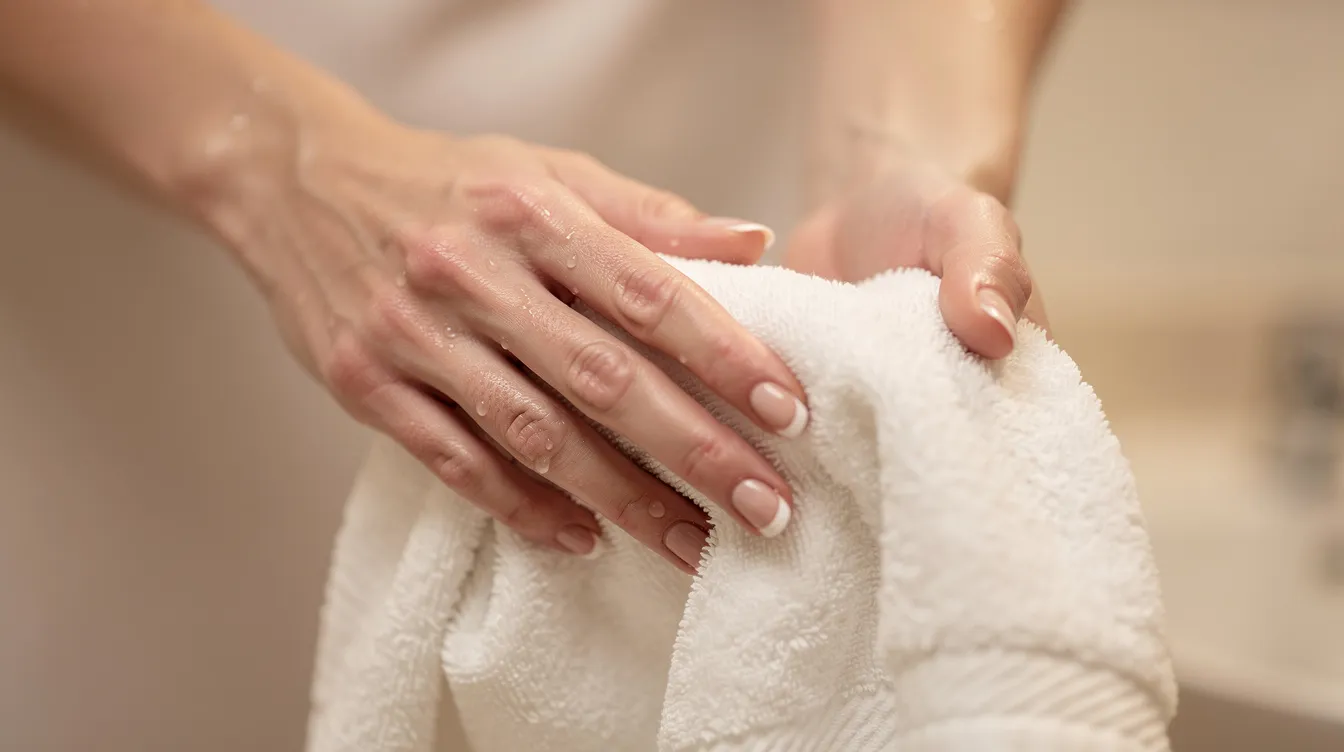
Gently pat dry with a clean towel
-
Apply moisturizer if skin feels tight
Tracking your progress: Keep a simple treatment log recording:
-
Date and body area treated
-
Current level used
-
Treatment time
-
Results and any notes
This log helps optimize your maintenance schedule and provides useful information if you need to consult your doctor or device support team.
Living with hyperhidrosis: next steps and getting help
Constantly dealing with sweaty hands and feet takes a real toll. Beyond the physical inconvenience, there’s the anxiety of social interactions, the frustration at work, and the limitations on activities you enjoy. These feelings are valid, and you’re not alone.
The good news: effective help exists. Rather than suffering in silence or assuming nothing works, take these practical steps:
-
Schedule an appointment with a dermatologist or hyperhidrosis specialist
-
Ask specifically about tap water iontophoresis and whether it’s appropriate for your symptoms
-
Discuss prescription requirements for your region
-
Join online communities through organizations like the International Hyperhidrosis Society to connect with other iontophoresis users
While there’s currently no permanent cure for this condition, consistent treatment with an iontophoresis machine can deliver a sweat free life for many people. Control is achievable—it just requires commitment to regular sessions.
Scientific background and further reading
Tap water iontophoresis has been documented in medical literature since at least the early 1940s for palmar and plantar hyperhidrosis. The technique’s longevity speaks to its effectiveness—treatments rarely persist for 80+ years without delivering real benefits.
Key research findings:
-
Clinical studies consistently report 80–95% success rates
-
Sustained benefits are achieved with regular maintenance sessions
-
Patients in trials rarely discontinue due to side effects
-
Pulsed current refinements have improved comfort without reducing efficacy
For resistant cases, research supports combining iontophoresis with anticholinergic solutions like glycopyrrolate added to the water. Studies from 2010–2024 confirm this approach enhances outcomes for patients who don’t respond adequately to tap water alone. This augmented treatment requires physician supervision.
Where to learn more:
-
International Hyperhidrosis Society guidelines
-
DermNet NZ hyperhidrosis resources
-
British Association of Dermatologists patient information
-
American Academy of Dermatology clinical recommendations
Ongoing research continues exploring new delivery methods and technology refinements. However, current tap water systems already provide well-established, practical relief that helps patients treat hyperhidrosis effectively every day.