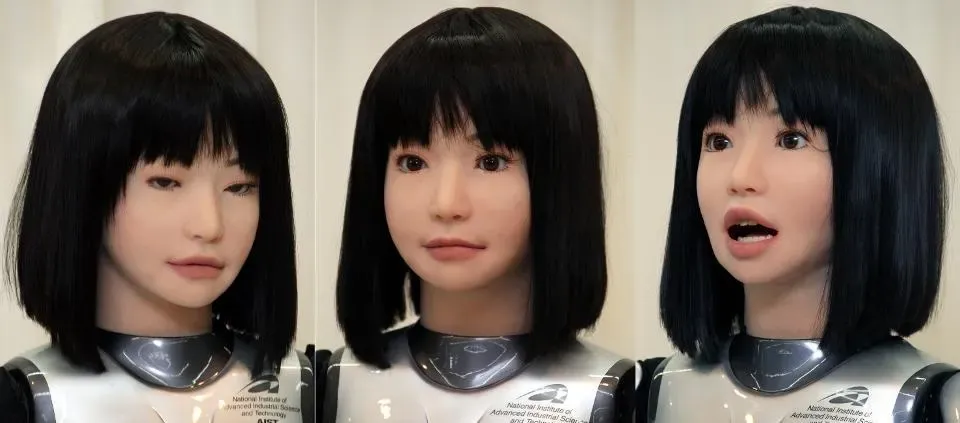
Development of AI Personalities in Robotics
The evolution of AI and robotics began decades ago, with significant milestones shaping the interaction between humans and machines. Early robots performed simple, repetitive tasks, but as technology advanced, so did the expectations from these machines. Since the introduction of neural networks in the 1950s, researchers sought ways to make robots not just functional but relatable. Today, we see robots that can engage in conversation, understand emotions, and respond to social cues. The journey from basic automation to intelligent interaction reflects our growing understanding of human nature and cognition, paving the way for more sophisticated Human Like Robots that connect deeply with users.
Key technologies and innovations play a critical role in shaping AI personalities. Innovations like Natural Language Processing (NLP) and machine learning allow robots to process human language, learning from interactions over time. This capability enables them to tailor conversations and responses based on user preferences. Furthermore, the integration of emotional intelligence sparks a shift from traditional programming to more therapeutic and engaging interactions. Developers are now focusing on creating adaptive systems that can modify their personalities according to user needs, making robots more lifelike and relatable.
Historical milestones in AI personalities paved the way for the rich interaction we experience today. Iconic projects such as ELIZA and later developments like Kismet set foundational perspectives for how machines could mimic human behavior. These prototypes showcased the potential for machines to simulate emotional responses, making early attempts at companionship. Fast forward to recent years, and we have robots like Sophia, which embody human-like interactions through advanced personality constructs. Each of these milestones contributes to our ongoing quest for robots that not only serve us but also connect with us on a deeper level.
Designing Human-Like Personalities
Psychological principles and models are essential when designing human-like personalities in AI. Understanding human behavior helps developers create robots that can effectively interact with people. Models such as the Big Five personality traits provide a framework for categorizing AI personalities. By basing their designs on these principles, developers can create robots with traits that resonate with users, leading to more meaningful interactions. When users feel understood, the connection between human and robot strengthens, enhancing both experiences.
Emotional intelligence in AI is a critical aspect of personality design. This allows robots to recognize and respond to the feelings of humans, fostering a sense of empathy. The ability to detect emotional cues, such as tone of voice or facial expressions, enables robots to adjust their responses accordingly. For instance, a robot might adopt a cheerful tone when a user expresses happiness or employ a soothing manner when a user is upset. The advancement of emotional skills helps create robots that feel more like companions rather than mere tools.
Personalization and customization of AI traits are also vital components in this designing phase. Users appreciate a touch of uniqueness in their interactions. As such, programmers are focusing on allowing users to adjust traits and behaviors to fit their preferences. Imagine being able to instruct your robot to be more humorous or serious based on the context of your day. This level of customization can increase user satisfaction and encourage deeper engagement. The goal is to make each interaction feel personal, thus enhancing user experience.
Technological Framework for AI Personalities
The natural language processing techniques employed in AI personalities are groundbreaking. They enable machines to understand and generate human language smoothly. Advanced NLP systems analyze context, semantics, and even emotional undertones within conversations. This capability transforms simple communication into nuanced dialogues, which are crucial for building rapport. Furthermore, advanced models can handle multiple languages and dialects, expanding the accessibility and application of AI personalities across various demographics.
Machine learning and deep learning models serve as the backbone for developing responsive AI personalities. These models learn from vast amounts of data and adapt based on user interactions. Over time, a robot can refine its approach, offering tailored suggestions and support that align closely with individual user preferences. This dynamic adaptation helps create a richer and more engaging user experience, fostering a stronger bond between humans and robots. As these models mature, the potential for personalized responses grows exponentially.
Additionally, the integration of speech and vision recognition is pivotal in enhancing AI personalities. Speech recognition allows robots to accurately interpret spoken language, while vision recognition helps them identify emotional cues from facial expressions. By combining these technologies, robots become better at engaging users, which is essential in forming strong connections. They can respond to both spoken queries and non-verbal signals, making interactions feel seamless and natural. This synergy between audio and visual processing is a significant leap towards truly human-like robots.
Commercial Applications of AI Personalities
Commercial applications of AI personalities are increasingly diverse and innovative. One prominent area is service robots in healthcare. Hospitals now deploy robots capable of interacting with patients, providing both emotional support and practical assistance. These robots can engage in conversation, help reduce loneliness, and even remind patients about medication schedules. By offering consistent, friendly interactions, they can enhance the overall patient experience, which has proven beneficial in recovery rates.
AI companions in consumer products also showcase the practical implications of these technologies. Devices like smart home assistants incorporate AI personalities to create a more engaging user experience. By adopting friendly personas, these products facilitate interactions that feel less mechanical and more user-friendly. From managing daily schedules to playing music, these AI personalities become integral parts of users' lives. They not only perform tasks but also connect with users emotionally, making everyday activities feel more enjoyable and personalized.
Furthermore, the use of customer service and sales robots is on the rise. Businesses are recognizing the value of integrating AI personalities into customer interactions. These robots can handle inquiries, provide product information, and guide users through purchasing processes. By embodying approachable personalities, they enhance customer satisfaction and streamline communication. The goal is to create experiences where users feel heard and understood, reducing frustration and increasing loyalty to brands.
Ethical Considerations and Challenges
As AI personalities evolve, ethical considerations and challenges arise. One major concern revolves around privacy and user consent. With AI systems collecting massive amounts of data to refine their interactions, questions about how this information is used and stored become crucial. Users may feel uneasy about robots remembering personal details without consent. Addressing these privacy issues is vital in building trust between users and robots, as transparency and ethical data handling strategies become paramount.
Another ethical challenge is managing human attachment to robots. As robots develop personalities that mimic human qualities, users can form emotional bonds. While companionship can be beneficial, it also raises concerns about dependency. People may place too much trust in robots for emotional support. Companies must ensure that their designs promote healthy interactions. They should encourage users to understand robots as tools rather than replacements for human relationships.
Addressing bias and fairness in AI remains an ongoing issue as well. AI systems learn from existing data, which may contain inherent biases. If not managed carefully, these biases can influence the personalities that emerge, leading to skewed or unfair interactions. Developers need to be proactive in identifying and correcting these biases to create equitable AI personalities. Establishing diverse teams in the development process can help mitigate these issues, ensuring varied perspectives are considered.
User Interaction and Feedback
User interaction and feedback are fostering improvements in AI personalities. Human acceptance and comfort levels significantly impact how users engage with robots. Understanding these factors is essential for developers aiming to create friendly and approachable machines. User testing often reveals preferences for certain personality traits or interaction styles. Through this feedback loop, robots can adapt to meet user needs effectively, resulting in a more satisfied audience.
Continuous learning from user data enables the enhancement of AI personalities. When robots analyze interactions over time, they build a more profound understanding of user preferences. For instance, a robot may notice that a user prefers humor in conversation or prefers serious discussions when providing advice. This learning process is crucial for maintaining and improving user engagement. A robot that evolves with its user can create a more personalized and meaningful connection.
Moreover, the impact of AI personalities on user behavior can be significant. Users may change how they communicate or how often they interact based on the robot's personality. If a robot exhibits warmth and empathy, users may feel more encouraged to share personal stories or seek advice. Conversely, a less engaging personality might lead to user disengagement, affecting overall satisfaction. Observing these behaviors helps developers craft better experiences tailored to individual user journeys.
Future Trends in AI Personalities
Looking ahead, advances in cognitive computing promise exciting developments for AI personalities. Combining reasoning, problem-solving, and adaptability aims to create machines that think more like humans. These advancements could lead to more sophisticated robots capable of understanding context and nuance in conversations. Moreover, they may be able to offer solutions and insights that align with human values and preferences, making interactions more rewarding.
Hybrid models combining human and AI elements are on the rise. By merging human traits and AI capabilities, developers explore designing robots that could offer the best of both worlds. For example, robots could be programmed to exhibit empathy while maintaining a logical approach to problem-solving. This blending can produce more balanced interactions, facilitating trust and confidence between users and machines.
Lastly, the potential for self-learning AI personalities opens new avenues for development. Imagine robots that can autonomously adjust their personalities based on changing user interactions over time. This ability would make every encounter unique, ensuring the robot remains relevant and relatable throughout its lifetime. The focus could shift from pre-defined personalities to systems capable of evolving naturally, increasing the connection with users.
Case Studies on Successful AI Personalities
Examining successful AI personalities reveals valuable lessons and innovations. A notable example is the analysis of popular human-like robots like Sophia. With her ability to engage in conversation and emote visibly, Sophia has captured public interest. Her design emphasizes the importance of emotional connection and relatability, showcasing that a blend of advanced technology and personality can drive user engagement. Organizations studying her interactions aim to derive insights that help them design better personal assistants in the future.
Innovations in personality-driven AI projects demonstrate the practical applications of research. Projects focusing on social robots have shown that users respond positively to robots designed with specific personality traits. For instance, robots modeled to be warm and friendly often perform better in facilitating social interactions than their more rigid counterparts. Such findings reaffirm the need for emotional intelligence in developing AI, guiding future innovations while enhancing user experiences.
The lessons learned from these market-ready AI personalities are profound. They highlight the significance of user-centric design and the necessity for continual adjustment based on feedback. As developers experiment with varying personality traits, they discover which attributes resonate most with audiences. This iterative approach fosters innovation and guides future creations in the realm of human-like robots.