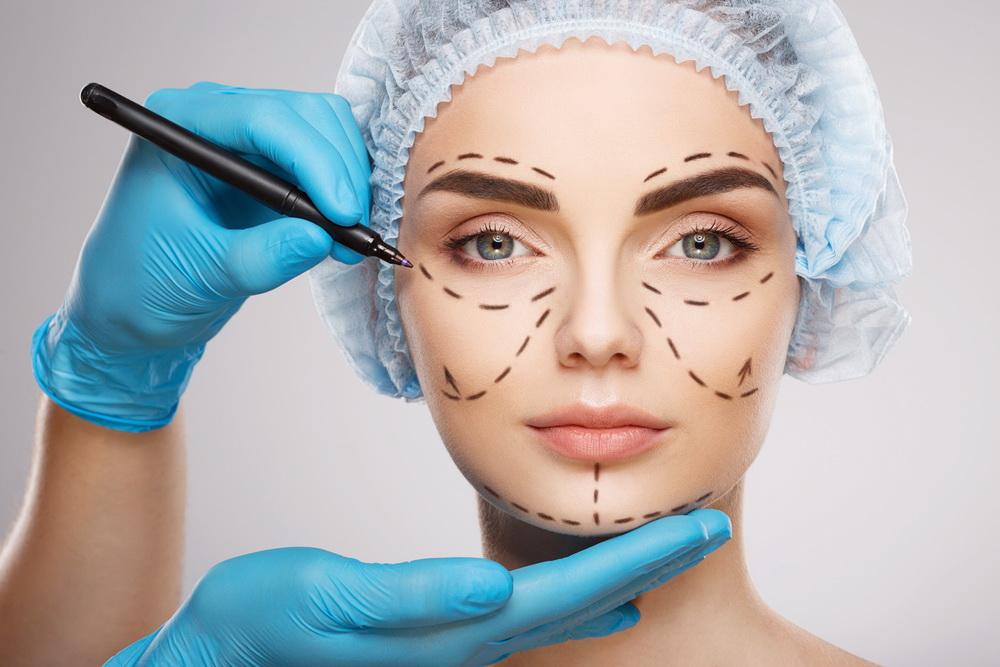
Accreditation in Healthcare
Accreditation plays a crucial role in health care. It ensures that healthcare facilities meet established standards of quality and safety. By getting accredited, clinics demonstrate their commitment to providing the best possible care for patients. This can be especially important in fields like plastic surgery, where procedures often carry higher risks. Moreover, accreditation serves as a badge of honor, showcasing that a clinic adheres to industry benchmarks.
In addition to improving care quality, accreditation also helps clinics meet regulatory requirements. Many insurance companies and government programs require accreditation for reimbursement. This means that a clinic's financial stability can depend on its accredited status. Furthermore, patient trust is enhanced through accreditation. When patients see that a clinic is accredited, they feel reassured. They believe that their safety and care are prioritized.
Key Accrediting Organizations for Plastic Surgery
Several organizations are recognized for accrediting plastic surgery clinics. The Joint Commission is one of the most prominent. This body evaluates various aspects of care, including patient rights and surgical outcomes. Being accredited by The Joint Commission can enhance a clinic's credibility. Patients often look for this seal of approval as a mark of quality.
Another key organization is the American Association for Accreditation of Ambulatory Surgery Facilities (AAAASF). This group specializes in ambulatory surgical centers and addresses specific standards for outpatient procedures. Accreditation from AAAASF can help clinics stand out in a competitive market. Additionally, the Accreditation Association for Ambulatory Health Care (AAAHC) focuses on improving the quality of care in outpatient settings. These organizations establish guidelines and offer resources to help clinics maintain high standards.
Initial Steps in the Accreditation Process
Starting the accreditation process can seem daunting, but it begins with an application and documentation. Clinics must fill out detailed applications that outline their services and policies. This paperwork is vital because it provides foundational information about the clinic. Alongside this, clinics need to gather necessary documents. These can include proof of staff qualifications, evidence of safety protocols, and records of patient outcomes.
Eligibility criteria are also crucial. Accrediting bodies often consider the facility size and structure before granting accreditation. For instance, larger clinics may have different requirements than smaller ones. Moreover, the volume and type of procedures offered can influence eligibility. Clinics that perform a higher volume of surgeries may be viewed more favorably, as experience can translate into better patient outcomes.
Preparing for the Accreditation Survey
Preparing for the accreditation survey requires significant effort. Developing accreditation readiness is essential for a successful outcome. This involves staff training and education. Teams must be well-versed in protocols and procedures to ensure that they meet accreditation standards. Ongoing training sessions can keep the entire staff informed about the latest practices and guidelines.
Documentation and record keeping are also critical. Individual clinics must maintain detailed records of all procedures, outcomes, and patient interactions. A solid documentation system helps demonstrate compliance during the survey. Additionally, conducting a self-assessment can provide insights. Internal audits can help highlight areas that need improvement, ensuring that the clinic is fully prepared for external review.
The Accreditation Survey Visit
The accreditation survey visit is a significant step in the process. During this visit, surveyors evaluate the facility and its practices. Surveyor selection is essential because qualified surveyors bring expertise and experience to the inspection. Their goal is to assess compliance with standards and identify areas for improvement. Responsibility falls on surveyors to communicate their findings accurately and constructively.
The on-site evaluation itself involves a thorough inspection of the facility and equipment. Surveyors will check that everything meets safety regulations and standards. They'll review patient safety protocols to ensure that clinics prioritize care. Observations made during this visit shape the future of the clinic. Thus, it's essential for clinics to present themselves well and be ready for any inquiries.
Post-Survey Process and Outcomes
After the survey, clinics receive an accreditation decision. This decision is based on the survey results and may vary depending on compliance levels. Some clinics achieve full accreditation, while others may receive conditional accreditation or denial. Understanding how to interpret the results is crucial for continuous improvement.
Addressing deficiencies is also a key post-survey step. Clinics must develop a corrective action plan to address any issues found during the survey. Creating timelines for implementing improvements is beneficial to keep staff aligned and accountable. By actively addressing any deficiencies, clinics demonstrate their commitment to quality care.
Maintaining Accreditation Status
Maintaining accreditation involves ongoing efforts. Continuous quality improvement initiatives play a significant role in this process. Clinics should regularly train staff on new guidelines and protocols. Well-informed staff can greatly enhance the safety and quality of patient care. Internal audits should also be conducted regularly to assess compliance and pinpoint issues.
Preparing for re-accreditation is essential as well. Regular document updates can help keep all records accurate and relevant. Facilities need to evaluate their services routinely and ensure they meet current standards. This ongoing commitment not only helps in maintaining accreditation but also promotes a culture of excellence.
Challenges in Accreditation for Plastic Surgery Clinics
Accreditation isn't without challenges. Common obstacles can include financial and resource constraints that impact a clinic's ability to meet standards. Smaller clinics might struggle more with these limitations. Additionally, staff resistance can pose significant challenges during the process. Getting everyone on board requires strong leadership and clear communication.
To overcome these challenges, clinics can invest in training and development. Training programs can prepare staff for the accreditation process and ease concerns. Many clinics may also benefit from utilizing accreditation consultants. These professionals provide expertise and guidance, helping to navigate the complex landscape of accreditation efficiently.
Benefits and Impacts of Accreditation on Clinic Operations
Ultimately, accreditation offers numerous benefits to clinics. Enhanced patient confidence and satisfaction often rise significantly among accredited facilities. Patients are more likely to choose clinics with recognized credentials. Moreover, accreditation can provide a competitive advantage in the healthcare market, making a clinic more appealing to prospective patients.
Furthermore, clinical outcomes and safety standards tend to improve significantly post-accreditation. Clinics work harder to maintain compliance, leading to better practices. In summary, the accreditation process is critical for plastic surgery clinics aiming to ensure quality care and operational efficiency.
Are you looking for professional services? Find more details here:
https://www.adonis.surgery