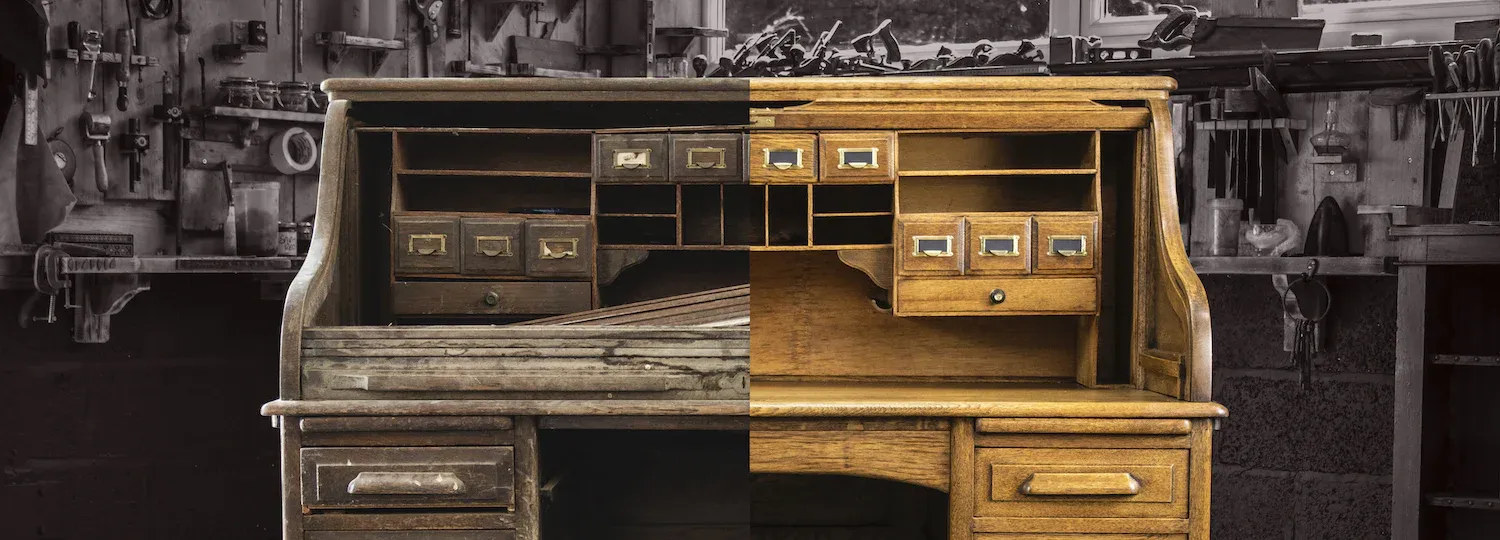
Identifying Common Environmental Threats
Antique furniture, with its rich history and craftsmanship, faces several environmental threats that can lead to deterioration. Variations in temperature and humidity can cause wood to expand and contract. Extreme changes can lead to cracking or warping. Additionally, high humidity can promote mold and mildew growth, which can damage the finish. Therefore, understanding these effects is crucial for preservation.
Exposure to direct sunlight is another significant risk factor. Over time, UV rays can fade fabrics and discolor wood finishes. This exposure can lead to irreversible damage, making it essential to assess how much sunlight your furniture receives. Dust, dirt, and pollutants also pose a problem. They can accumulate and scratch surfaces, leading to deterioration. Lastly, pest infestation can threaten the structural integrity of the furniture. Bugs like termites and woodworms can eat away at the wood, leading to extensive damage if not caught early.
Assessing the Current Condition of Antique Furniture
Before taking action to protect antique furniture, it's essential to assess its current condition thoroughly. Start by conducting an inspection for structural integrity. Check for any signs of warping, cracking, or instability. It is crucial to address these issues early, as they can worsen over time and lead to further damage. If the furniture wobbles or has loose joints, consider whether it needs professional repair.
Next, evaluate the surface conditions and finishes. Look closely for scratches, stains, or peeling paint. These issues can affect both the aesthetics and protection of the wood. Lastly, investigate any previous restoration work that might have been performed. Knowing what has been done before can guide further maintenance efforts. For instance, using incompatible materials during earlier repairs might now hinder preservation efforts.
Climate Control Strategies
Effective climate control is key to protecting antique furniture. Maintaining an optimal temperature range is essential, ideally between 60°F to 75°F. Extremely high temperatures can cause finishes to dry out, while excessively low temperatures can lead to moisture build-up. It might be helpful to use thermostats to monitor indoor climates and make adjustments as necessary.
Regulating humidity levels is equally significant. A range of 30% to 50% humidity is best for preservation. High humidity can lead to mold growth, while low humidity can dry out wood and finishes. Utilizing dehumidifiers and air conditioners can help maintain these levels. They can work effectively to control excess moisture in the home environment, ensuring your antique treasures remain safe from the elements.
Protective Measures Against Sunlight
One effective way to protect antique furniture from the harmful effects of sunlight is by using window treatments. Curtains or blinds can block out intense rays and prevent direct exposure, which extends the longevity of furnishings. UV-blocking films can also be beneficial. These films can be applied directly to windows, allowing light to enter while filtering out damaging rays.
Additionally, consider appropriate furniture placement. Keeping valuable pieces away from windows or direct light sources can significantly minimize sun exposure. Finally, using protective covers or drapes helps shield the furniture when it's not in use. These simple actions can ensure that your treasured pieces remain vibrant and intact for years to come.
Dust and Pollutant Management Techniques
Regular dusting is a straightforward yet effective way to manage dust and pollutants. Using appropriate materials, like soft microfiber cloths, can help remove dust without scratching surfaces. Dust can accumulate in crevices, so make a habit of cleaning those areas regularly. Furthermore, adopting a cleaning routine will ensure that dirt doesn’t build up over time.
Air purifiers and filters are also effective in improving indoor air quality. They can reduce the dust and pollutants in the air, preventing them from settling on your furniture. Consider using HEPA filters for optimal results. Creating a proper cleaning routine will ensure that your antique furniture remains in top condition. Regular and gentle cleaning is a proactive approach to prevent any long-term damage.
Pest Prevention and Control
Understanding common pests in antique furniture is crucial for effective prevention and control. Termites, moths, and woodworms are notorious for damaging wooden structures. Familiarizing yourself with the signs of infestation, like small holes or fine dust, is essential. Regularly inspecting your furniture helps catch these issues early, so you can take action before the damage escalates.
When signs of pest infestation are spotted, safe and effective pest control solutions should be sought. There are many eco-friendly options available now that can help eliminate pests without harming the furniture or surrounding environment. Preventative measures, such as ensuring proper ventilation and avoiding high humidity, can also deter pests. By being diligent, you can keep your antique treasures safe from these hidden threats.
Material-Specific Preservation Techniques
Each type of antique furniture requires different preservation techniques based on its materials. For wood, regular application of oils, waxes, and polishes can enhance its appearance and protect it from environmental threats. These products can restore luster while creating a protective barrier against moisture. Be cautious to use only products suited for antique finishes, as harsh chemicals can cause damage.
Upholstered furniture also needs special care. Fabric protection sprays can help repel stains, making cleaning easier. Regular vacuuming is important to prevent dirt build-up that can wear down fabrics over time. For antique metalwork, rust can be a significant issue. Applying rust inhibitors can help prevent corrosion, maintaining the beauty and functionality of these pieces.
Restoration and Maintenance Practices
Knowing when to seek professional restoration is vital for preserving antique furniture. If significant structural issues or advanced deterioration are discovered, turning to experts may be necessary. They can provide tailored solutions that respect the furniture’s integrity and value. DIY repair tips and techniques can also be invaluable for minor issues, like tightening screws or applying finishes carefully.
Planning a regular maintenance schedule is crucial for long-term preservation. Consistent cleaning, inspections, and minor repairs can prevent major problems from developing. By integrating these practices into your home care routine, you'll extend the life of your antique pieces significantly.
Storing Antique Furniture Safely
When it comes to storing antique furniture, selecting proper storage environments is essential. Choose climate-controlled spaces that can maintain stable temperature and humidity levels. Avoid areas like basements and attics, as they can have fluctuating conditions that damage the furniture over time.
Using protective covers and supports is also important in storing antiques. Properly wrapping furniture can prevent scratches and dust accumulation. Regularly monitoring stored items, checking for signs of damage or pests, keeps your investments safe and secure. By taking these precautions, you ensure that your antique furniture remains in excellent condition, even while in storage.
Legal and Ethical Considerations in Preservation
Understanding conservation standards is critical for anyone involved in preserving antique furniture. These standards guide how to maintain the authenticity of the pieces while ensuring they remain functional and safe. Ethical practices in restoration involve making informed choices that honor the original artistry, rather than altering it for modern tastes.
Adhering to local and national laws regarding heritage preservation is equally important. Compliance means recognizing the furniture's significance and valuing its historical context. Being aware of these legal frameworks also supports informed decisions when restoring or selling antiques. Ultimately, these ethical approaches maintain the integrity of antique furniture for future generations to enjoy.
Leveraging Technology for Better Protection
Advancements in technology offer innovative solutions for protecting antique furniture. Monitoring climate with smart sensors keeps track of temperature and humidity conditions in real-time. These devices can alert you if the environment strays from safe ranges, allowing for immediate action.
Creating digital records for condition documentation can also be beneficial. By taking photos and noting any changes, you’ll have thorough records that can inform future care. Finally, consider using apps and tools for maintenance scheduling. These applications can help remind you when it’s time for inspections or cleaning, ensuring you never forget to care for your valuable antiques.
Are you looking for professional services? Find more details here:
furniture water damage repair service