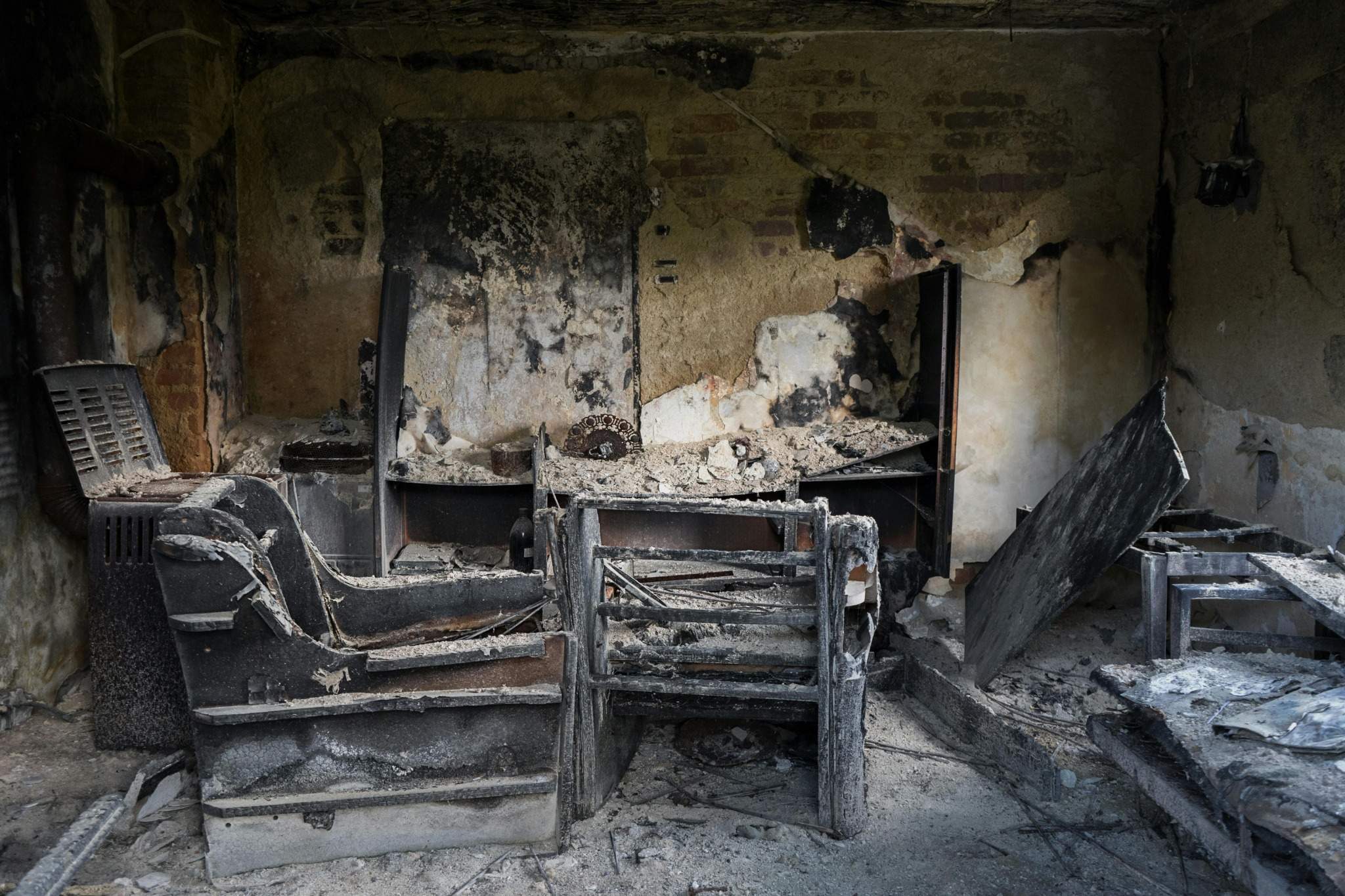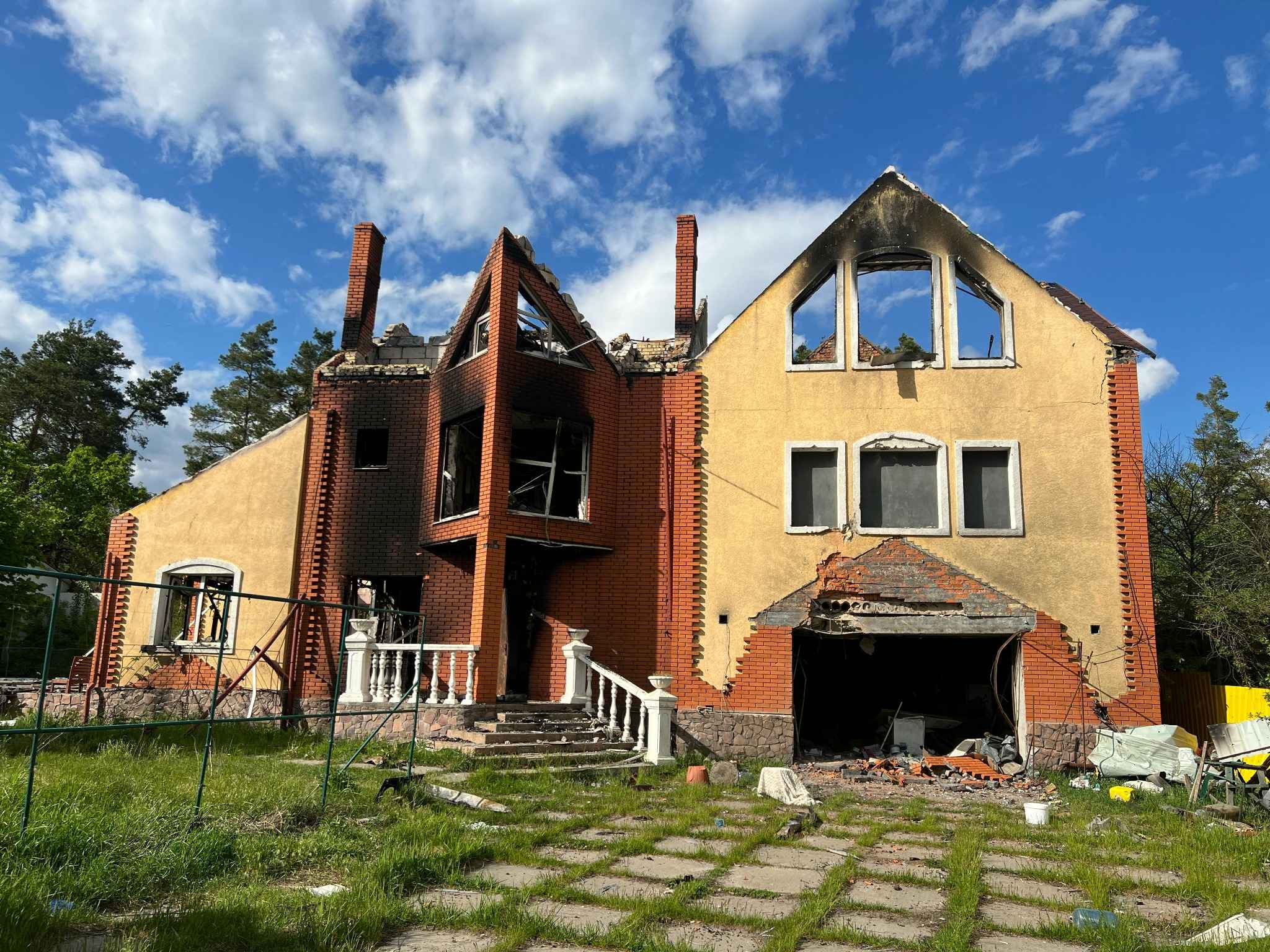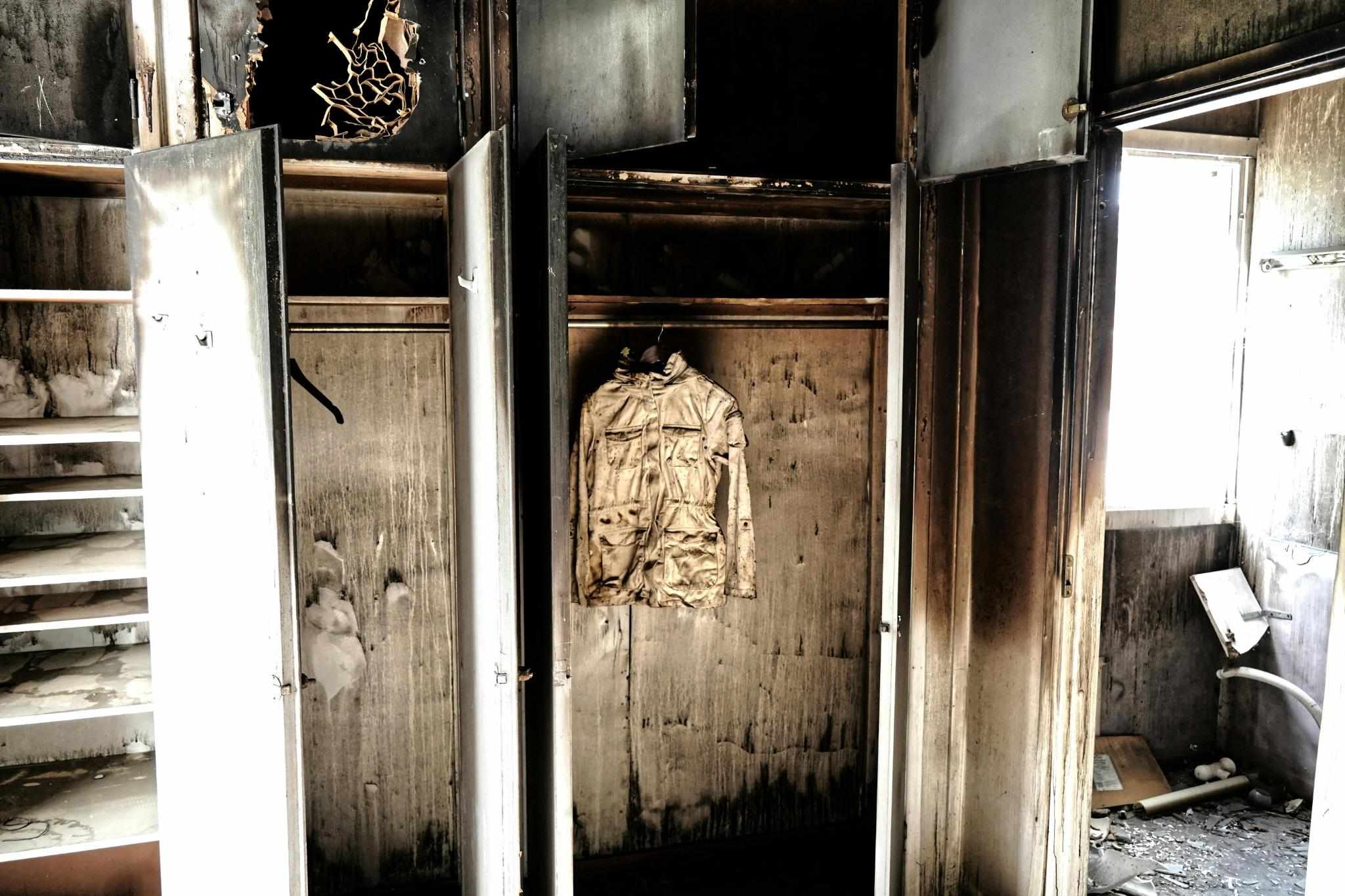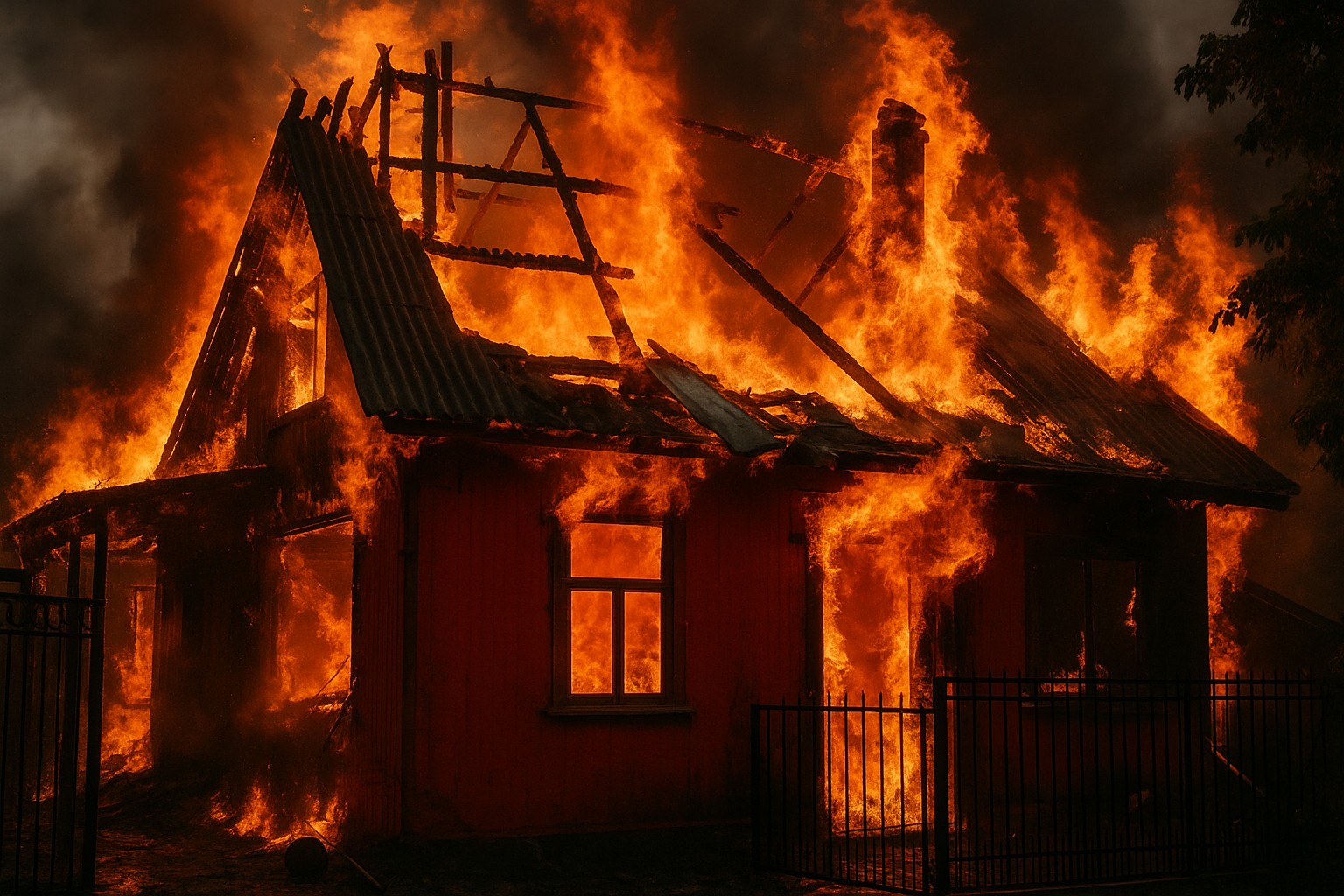
Understanding your insurance claim is another crucial factor. Many homeowners don't realize they can sell their fire-damaged property and still receive their insurance payout. Your claim is separate from the sale of the home, meaning you are entitled to both the insurance settlement and the proceeds from selling the property. Reviewing your insurance documents, adjuster report, and payout details will help you understand how much coverage you have and whether repairs are financially possible. If your insurance company has delayed or denied parts of your claim, selling the property as-is may help you avoid further financial stress and uncertainty.
Once you've assessed your repair options and insurance details, the next step is choosing the best selling method. In Los Angeles, most fire-damaged homes cannot be sold traditionally through a realtor unless they are repaired first. Top Fire-Damaged Home Buyer Los Angeles . This is because traditional buyers rely on mortgage lenders, and lenders do not finance homes with significant damage or safety issues. Homes with smoke contamination, structural damage, or red-tag conditions are almost guaranteed to fail inspection and appraisal requirements. Even if a buyer is willing, the loan will not be approved. Listing a fire-damaged home on the MLS often leads to months of waiting, repeated deal cancellations, and requests for repairs that homeowners may not be prepared to handle.
Selling the property to a cash buyer is often the best option for Los Angeles homeowners with fire-damaged houses. Cash buyers do not rely on banks, appraisals, or traditional inspections, which means they are able to purchase homes exactly as they are. They understand the true scope of fire damage and have crews, resources, and experience to handle the repairs themselves. This allows them to close quickly, sometimes in as little as a week or two, and provide sellers with a simple solution without requiring any cleaning, repairs, or trash removal. In a city where construction timelines are unpredictable, selling to a reputable cash buyer removes stress, delays, and financial burden.
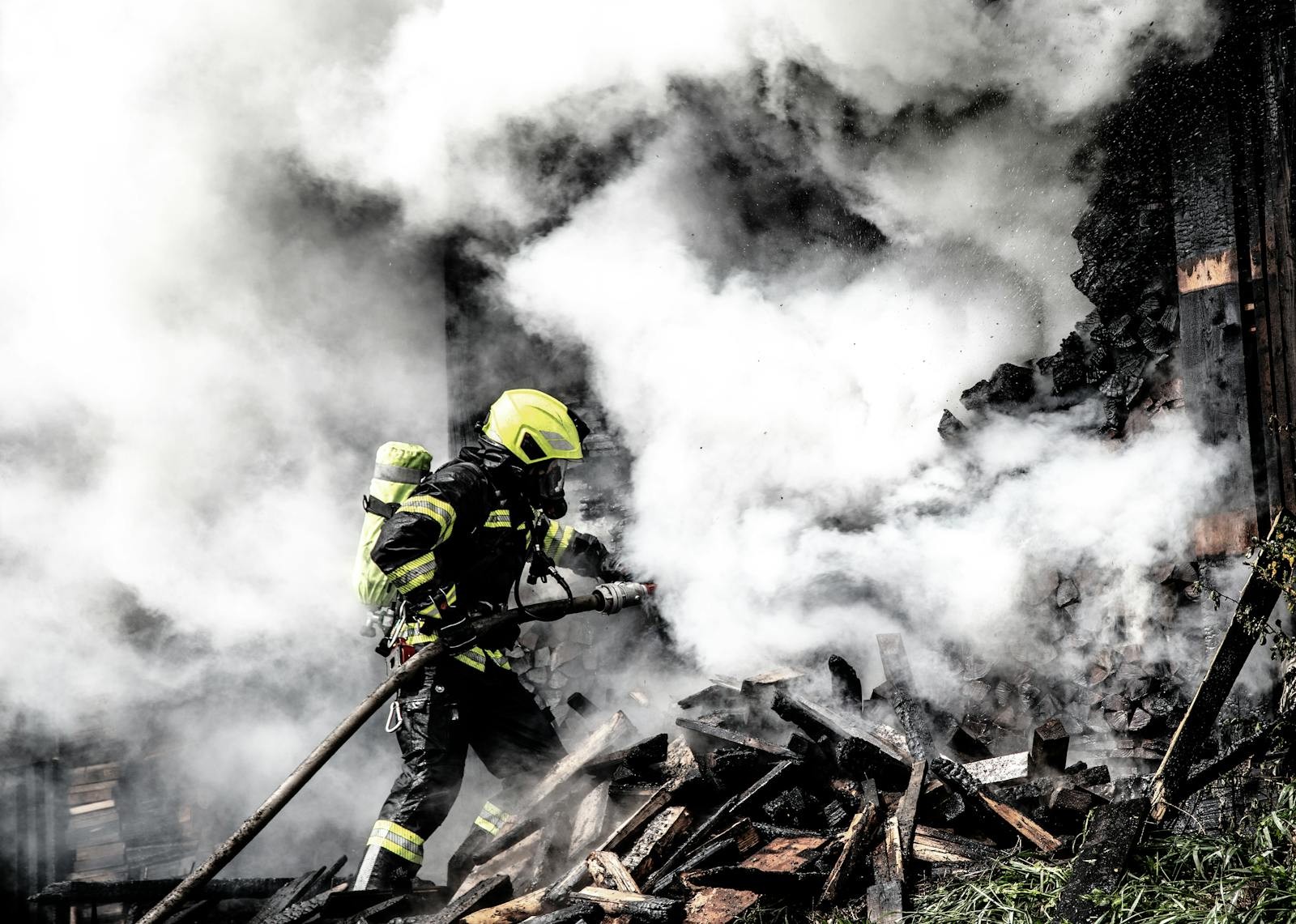
Another important tip is to gather any documents related to the fire. Fire department reports, insurance claim summaries, adjuster notes, and photos of the damage can all help streamline the selling process. While cash buyers do not need detailed reports to make an offer, these documents provide a clearer picture of the property's condition and can help justify a fair price. Clear disclosure is required under California law, but this works to your advantage when selling as-is. Cash buyers expect damage and understand the risks, making the process straightforward and transparent.
You should also consider your timeline. Los Angeles homeowners affected by fires often deal with temporary housing, insurance deadlines, or relocation needs. A fast sale may be more valuable than trying to squeeze out an extra few thousand dollars after months of repairs and stress. Knowing your priorities will help you choose the most appropriate selling method and negotiate effectively.
Finally, choose a reputable buyer. Fire-damaged properties require specialized knowledge, and not all buyers have experience with LA building codes or fire restoration. A trustworthy buyer will provide a clear offer, simple contract, no hidden fees, and flexibility with closing dates. Most importantly, they should respect your situation and make the process as easy as possible.
Selling a fire-damaged property in Los Angeles doesn't have to be complicated. With the right information and a smart strategy, you can move forward confidently and avoid unnecessary challenges. Whether you decide to repair the home or sell it as-is, understanding the local market, your insurance rights, and your selling options will help you make the best decision for your future.
Understanding Fire-Damage Home Value in LA
Understanding the value of a fire-damaged home in Los Angeles can be challenging, especially for homeowners who have never dealt with this kind of disaster before. A fire doesn't just affect the physical structure of a house-it also affects its resale potential, marketability, and the overall perception of the property. Because Los Angeles has one of the most competitive and unpredictable real estate markets in the country, figuring out what your home is truly worth after a fire requires a deeper understanding of how local buyers, cash investors, insurers, and appraisers view damaged properties. By learning how fire damage impacts home value in LA, you can make smarter decisions about repairing, selling, or rebuilding.

A major factor that influences fire-damaged home value is the extent of the damage itself. Fires in Los Angeles range from minor kitchen incidents to full-scale structural losses caused by electrical issues, wildfires, or accidental ignition. Some homes may only suffer smoke damage, while others experience roof collapse, framing destruction, or compromised foundations. The severity of the damage directly affects how buyers evaluate your home. Minor fire damage that only requires cosmetic repairs will impact the value less than structural problems that involve rewiring, plumbing replacement, roof restoration, or rebuilding entire sections of the home. Buyers and investors place a price on the amount of work needed, and the deeper the damage, the lower the home's value in its current state.
Location also plays a significant role in determining the value of a fire-damaged home in Los Angeles. Properties in high-demand neighborhoods-such as Silver Lake, Studio City, West LA, Culver City, Pasadena, and parts of the San Fernando Valley-often retain more value because the land itself is desirable. Even if the home is severely damaged, the lot location can justify a higher offer from investors who plan to rebuild. In contrast, areas with less buyer competition or slower market activity may see a more substantial drop in value after a fire. Understanding how your neighborhood's demand influences your home's worth is essential when considering repairs, selling as-is, or negotiating with buyers.
Another important element in evaluating value is the estimated cost of repairs. Fire restoration in Los Angeles can be expensive, mainly due to the city's strict building codes, high labor costs, and long permitting timelines. Before determining value, cash buyers and investors will calculate what it will cost to bring the home back to a safe, functional, and market-ready condition. This includes everything from structural reconstruction and electrical work to smoke remediation and interior finishes. These repair costs are subtracted from the property's potential resale value, which helps determine the as-is value. Homeowners are often surprised by how expensive fire restoration can be, and this is precisely why many choose to sell their homes as-is rather than attempt repairs themselves.
Insurance plays an important role in understanding the home's value as well. Many homeowners assume that insurance payouts automatically restore property value, but this isn't always the case. Insurance companies may provide partial coverage, depreciation adjustments, or limits on specific types of damage. If insurance does not cover full reconstruction, the remaining financial burden can reduce the property's value to potential buyers. However, selling the home as-is while keeping the insurance payout is an option that many homeowners explore. In these cases, the combined value of the insurance payout and the sale price can often exceed what the homeowner would net after repairing the property.
A crucial factor in determining value is the After Repair Value, or ARV. This is the estimated market value of the home once all repairs and renovations are completed. Cash buyers determine how much they can pay for a damaged home by calculating the ARV and subtracting the cost of repairs, potential holding expenses, and their profit margin. If your home has strong resale potential in its neighborhood, the ARV will be higher, which can lead to a better as-is offer. Understanding ARV helps homeowners see their property through an investor's perspective and understand why certain offers are made.
Market conditions also influence the value of a fire-damaged home in LA. When the housing market is strong and inventory is low, investors may be willing to pay more for damaged properties because they know demand for renovated homes will be high. When the market is slow or interest rates rise, investors may become more conservative in their offers. Because the Los Angeles market shifts frequently, staying aware of buyer demand and overall housing trends helps you estimate the fair value of your home.

Another factor affecting value is whether the property has been red-tagged or deemed unsafe by the city. A red-tag significantly reduces value because the home cannot be occupied or accessed without approval, and the repair requirements become more intense. However, experienced cash buyers regularly purchase red-tagged homes, so while the value may be lower, the home is still marketable in the right channels.
Despite the complexities, one advantage for homeowners is that Los Angeles remains a high-demand market. This means that even fire-damaged homes have strong resale potential when priced correctly. Investors look for opportunities to rebuild, modernize, and resell at a profit, and fire-damaged properties are often perfect candidates. Their value may drop temporarily after a fire, but the underlying demand for housing in LA ensures that these properties remain desirable to the right buyers.
Understanding fire-damaged home value in LA gives homeowners clarity during an overwhelming time. By considering factors like location, repair costs, ARV, insurance payouts, and market conditions, you can determine whether repairing or selling the property as-is is the right move.
Best Companies That Buy Fire-Damaged Homes in Los Angeles, CA
Dealing with a house fire is overwhelming enough. On top of the emotional stress, you're suddenly managing repairs, insurance adjusters, city inspections, and the difficult decision of whether to fix the damage or sell your fire-damaged home as-is. For many homeowners in Los Angeles, selling directly to a cash buyer who specializes in fire-damaged properties becomes the fastest and simplest solution. These companies understand the challenges unique to fire damage and can offer a straightforward path forward when traditional buyers and lenders aren't an option.
Selling a fire-damaged property comes with specific challenges that make the traditional real estate process difficult. Repair costs can be extremely high, especially when a fire affects multiple parts of the home. Smoke, water, and structural damage often require tens of thousands of dollars in restoration before the property becomes financeable again. In Los Angeles, strict building codes mean the home may have safety violations that must be corrected before anyone can occupy it. Traditional buyers usually rely on mortgages, and lenders are unlikely to finance homes with major fire damage, which results in a very limited pool of interested buyers. Many homeowners also feel pressure from ongoing mortgage payments, temporary housing costs, and insurance delays. Because of these obstacles, selling to a company that buys fire-damaged homes for cash becomes a much more practical option than listing the property on the open market.

Many cash buyers can close in as little as 7–14 days, depending on title clearance and your preferred timeline.
Yes. Professional buyers regularly purchase homes with extensive damage, including burned roofs, destroyed interiors, and unsafe entry conditions.
Cash offers are based on repair costs and the home’s after-repair value. While the offer may be lower than a fully renovated market price, you avoid repair costs, delays, and agent fees.